Brachial Plexus Injury Specialist in Kerala
A brachial plexus injury specialist in Kerala focuses on diagnosing, evaluating, and treating injuries that affect the complex network of nerves responsible for controlling movement and sensation in the shoulder, arm, and hand. These nerves originate from the spinal cord in the neck and extend through the shoulder into the upper limb. When they are damaged due to trauma, birth injury, or compression, it can lead to weakness, loss of movement, numbness, or paralysis of the arm.
Specialized care plays an important role in restoring function and preventing long-term disability. Early diagnosis and appropriate treatment planning improve the chances of nerve recovery and functional improvement.
Understanding the Brachial Plexus
The brachial plexus is a group of nerves that control:
Shoulder movement
Arm strength
Hand coordination
Sensation in the upper limb
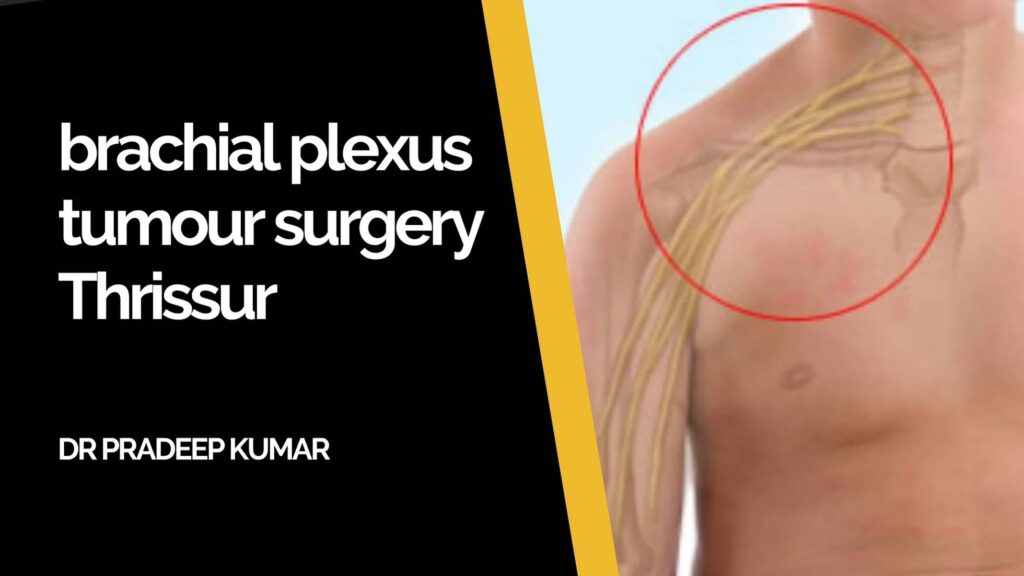
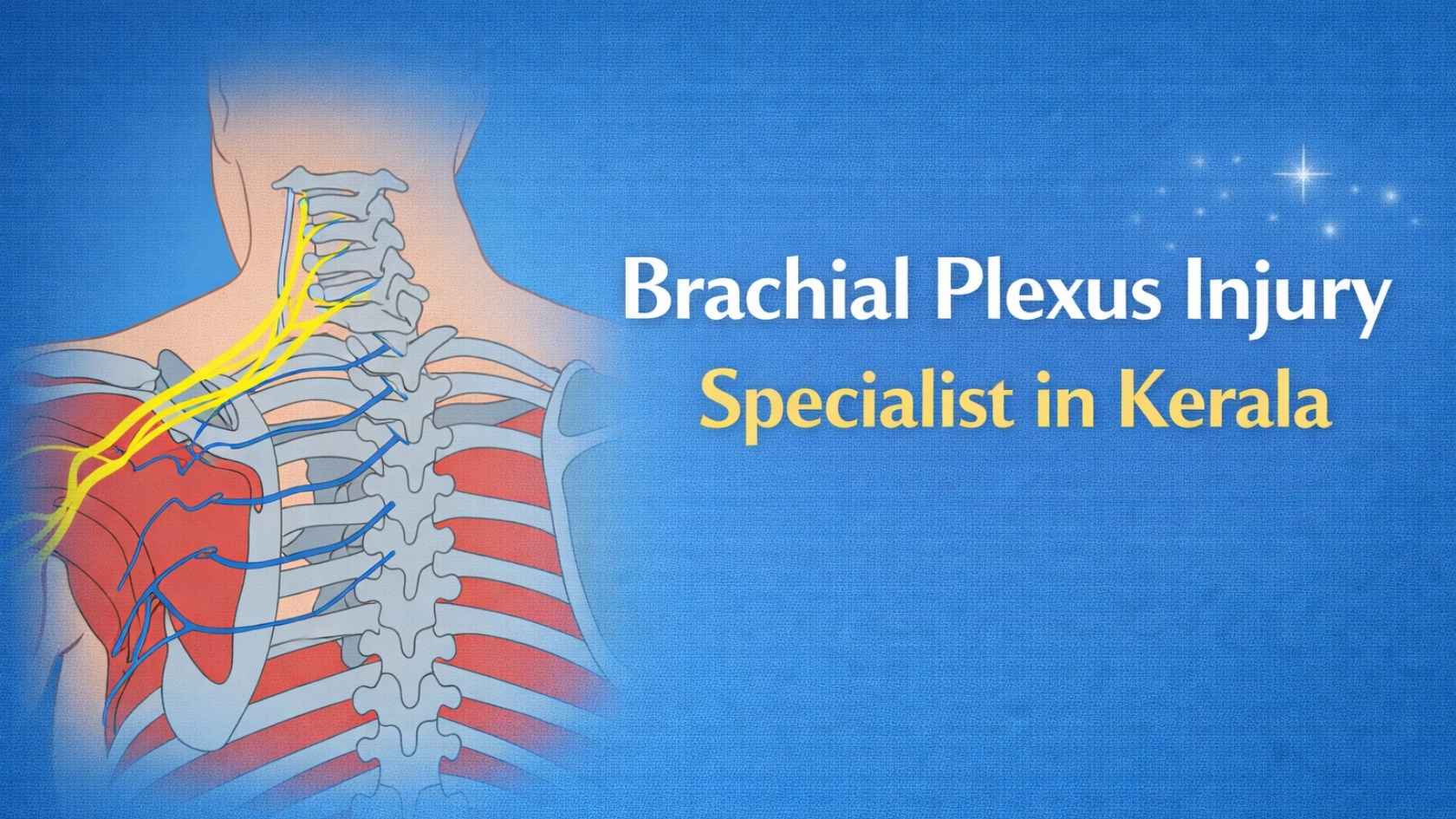
These nerves travel from the neck through the shoulder and supply the muscles and skin of the arm. Because of their complex structure, injuries to the brachial plexus can affect different parts of the arm depending on the location and severity of the damage.
Damage to these nerves may disrupt communication between the brain and the arm, leading to weakness, numbness, or loss of movement.
What Is a Brachial Plexus Injury?
A brachial plexus injury occurs when the nerves are stretched, compressed, torn, or avulsed from the spinal cord. The severity of injury varies widely, ranging from temporary nerve irritation to complete nerve disruption.
Common types of nerve injuries include:
Stretch injuries (neuropraxia) – mild injuries where nerves are stretched but not torn
Rupture injuries – nerves are torn but remain connected to the spinal cord
Avulsion injuries – nerves are completely detached from the spinal cord
The type of injury determines the treatment approach and recovery potential.
Causes of Brachial Plexus Injuries
Brachial plexus injuries can occur in several situations. The most common causes include:
Road Traffic Accidents
High-speed accidents involving motorcycles or vehicles are a leading cause of severe brachial plexus injuries. Sudden traction on the shoulder may stretch or tear the nerves.
Sports Injuries
Contact sports or falls during physical activity may lead to nerve stretching or compression.
Birth-Related Injuries
During difficult deliveries, excessive traction on the infant’s neck or shoulder can damage the brachial plexus.
Falls or Trauma
Falls from height or direct trauma to the shoulder region may also injure these nerves.
Tumors or Compression
In rare cases, tumors, inflammation, or scar tissue may compress the nerve structures.
Symptoms of Brachial Plexus Injury
Symptoms depend on which nerves are affected and the severity of the injury. Common symptoms include:
Weakness in the shoulder or arm
Difficulty lifting the arm
Loss of grip strength
Numbness or reduced sensation
Burning or shooting pain in the arm
Limited shoulder mobility
Muscle wasting over time
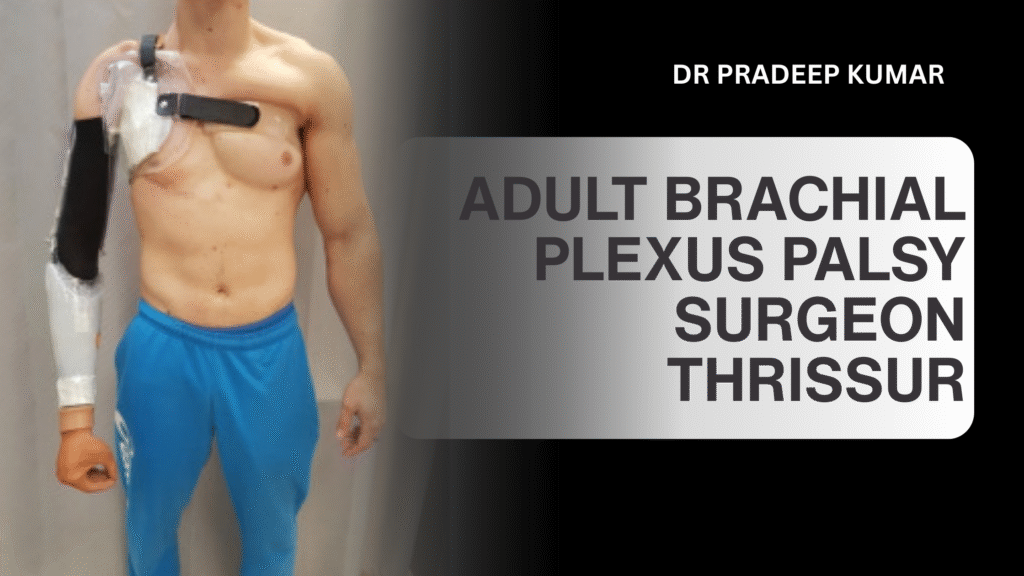
Severe injuries may cause partial or complete paralysis of the affected arm.
When to Consult a Brachial Plexus Injury Specialist
Early medical evaluation is essential if symptoms persist after trauma or injury. Consulting a specialist becomes important when:
Arm weakness develops after an accident
Sensation in the hand or arm decreases
Shoulder movement becomes limited
Severe nerve pain persists
Muscle strength continues to decline
Early intervention can improve recovery and prevent permanent nerve damage.
Diagnosis of Brachial Plexus Injuries
Accurate diagnosis requires careful clinical evaluation and specialized tests.
Clinical Examination
The examination focuses on:
Muscle strength
Range of motion
Reflexes
Sensory function
These findings help determine which nerves may be affected.
Imaging Studies
Imaging tests provide detailed views of nerve structures. Common investigations include:
MRI scans
CT myelography
Ultrasound imaging
These tests help identify nerve rupture, avulsion, or compression.
Nerve Function Tests
Electrodiagnostic studies evaluate nerve activity and muscle response. These tests include:
Nerve conduction studies
Electromyography (EMG)
They help determine the extent of nerve damage and guide treatment planning.
Treatment Options for Brachial Plexus Injuries
Treatment depends on the severity and type of injury.
Non-Surgical Treatment
Mild injuries may recover naturally over time with supportive care. Conservative treatment options include:
Physiotherapy
Occupational therapy
Pain management
Joint mobility exercises
Regular monitoring ensures that nerve recovery is progressing appropriately.
Surgical Treatment
Severe injuries may require surgical intervention to restore nerve function.
Common surgical procedures include:
Nerve Repair
Damaged nerve ends are directly reconnected when possible.
Nerve Grafting
A nerve segment from another part of the body is used to bridge a gap between damaged nerves.
Nerve Transfer
Healthy nerves are redirected to restore movement to affected muscles.
Muscle or Tendon Transfer
In delayed cases, muscles or tendons may be transferred to restore arm function.
Surgical planning is individualized based on injury pattern and recovery potential.
Rehabilitation After Treatment
Rehabilitation plays a critical role in recovery following brachial plexus treatment.
Physiotherapy
Physiotherapy focuses on maintaining joint mobility and strengthening muscles as nerve recovery progresses.
Occupational Therapy
Occupational therapy helps patients regain functional abilities needed for daily activities such as dressing, writing, and gripping objects.
Long-Term Monitoring
Nerve recovery may take months or even years. Continuous follow-up helps track progress and adjust therapy as needed.
Recovery Timeline
Recovery varies depending on the severity of the injury and treatment method.
Mild nerve injuries may recover within several months
Surgical recovery may take longer due to nerve regeneration
Full functional improvement may require long-term rehabilitation
Nerve regeneration occurs slowly, typically about one millimeter per day.
Importance of Early Treatment
Early intervention significantly improves the chances of successful recovery. Delayed treatment may result in:
Muscle wasting
Permanent nerve damage
Reduced functional recovery
Prompt evaluation allows specialists to determine the most appropriate treatment approach.
Long-Term Outlook
The long-term outcome of brachial plexus injury depends on multiple factors, including:
Severity of nerve damage
Timing of treatment
Patient age and health
Rehabilitation adherence
Many individuals regain significant arm function with proper treatment and rehabilitation.
Living With a Brachial Plexus Injury
Recovery involves both physical and emotional adjustments. Supportive care includes:
Rehabilitation exercises
Lifestyle modifications
Occupational adjustments
Patients are encouraged to maintain active participation in therapy to maximize recovery.
Preventing Brachial Plexus Injuries
While not all injuries can be prevented, certain precautions may reduce risk:
Wearing protective gear during sports
Following road safety measures
Using proper workplace ergonomics
Practicing safe lifting techniques
Awareness of injury risks helps protect nerve health.
Conclusion
A brachial plexus injury specialist focuses on diagnosing and managing complex nerve injuries that affect arm movement and sensation. Early recognition, accurate diagnosis, and individualized treatment are essential for restoring function and preventing long-term complications.
For individuals seeking specialized care and evaluation for nerve injuries affecting the shoulder, arm, and hand, consulting a brachial plexus injury specialist in Kerala can support informed decisions and improve long-term functional recovery.
Frequently Asked Questions
A brachial plexus injury occurs when the network of nerves controlling the shoulder, arm, and hand becomes stretched, compressed, or torn, leading to weakness, numbness, or loss of movement.
Common causes include road traffic accidents, sports injuries, birth-related trauma, falls, or severe shoulder injuries that stretch or damage the nerves.
Symptoms may include arm weakness, loss of sensation, severe nerve pain, difficulty lifting the arm, reduced grip strength, or partial paralysis of the upper limb.
You should consult a specialist if you experience persistent arm weakness, numbness, severe shoulder or arm pain, or loss of movement after trauma or injury.
Diagnosis usually involves a physical examination along with tests such as MRI scans, nerve conduction studies, electromyography (EMG), or CT myelography.
Some mild injuries may heal naturally over time with physiotherapy and supportive treatment, but severe nerve damage may require surgical repair.
Surgical options may include nerve repair, nerve grafting, nerve transfer, or muscle and tendon transfer procedures to restore arm function.
Recovery time varies depending on injury severity and treatment type, but nerve healing may take several months to years with consistent rehabilitation.
Yes, physiotherapy is an essential part of recovery as it helps maintain joint mobility, strengthen muscles, and improve functional movement of the arm.
If not treated early, severe injuries can lead to permanent weakness or loss of function. Early diagnosis and proper treatment improve the chances of recovery.

Dr. Pradeep Kumar
Dr. Pradeep is a highly skilled Plastic and Reconstructive Surgeon and a key member of the Sushrutha Institute of Plastic Surgery at Elite Mission Hospital, Thrissur. He is well known for his exceptional expertise in Brachial Plexus and Peripheral Nerve Surgery, a highly specialized field that demands precision and advanced surgical skills.