7 Powerful Facts: Brachial Plexus Injury Repair in Thrissur
Brachial Plexus Injury Repair in Thrissur can help people with significant nerve injuries affecting the shoulder, arm, and hand. The brachial plexus is a network of nerves that carries signals from the spinal cord to the upper limb. When these nerves are stretched, compressed, torn, or damaged, movement and sensation can be affected.
Brachial plexus injuries can occur after road accidents, sports injuries, falls, or other forms of trauma. Early assessment is important because the type and severity of nerve damage can influence treatment decisions and recovery. Depending on the injury, treatment may involve observation, physiotherapy, nerve repair, nerve grafting, or nerve transfer.
What Is a Brachial Plexus Injury
The brachial plexus is a group of nerves located between the neck and shoulder. These nerves control many important functions of the upper limb, including muscle movement and sensation.
A brachial plexus injury occurs when one or more of these nerves are damaged.
Common effects include:
- Weakness in the shoulder or arm
- Reduced hand or finger movement
- Numbness or altered sensation
- Burning or shooting nerve pain
- Loss of muscle control
- Reduced grip strength
- Difficulty performing everyday activities
The severity can range from a temporary nerve stretch to a complete nerve tear.
What Causes Brachial Plexus Injuries
Trauma is one of the most common causes of brachial plexus damage. A strong force can stretch or tear the nerves connecting the spinal cord with the upper limb.
Possible causes include:
- Road traffic accidents
- Motorcycle or bicycle accidents
- Falls from a height
- Contact sports injuries
- Shoulder trauma
- Birth-related nerve injuries
- Penetrating injuries
- Tumours or masses affecting the nerve pathway
- Severe inflammation or compression
The mechanism of injury can help specialists determine which part of the brachial plexus may be affected.
What Are the Types of Brachial Plexus Nerve Damage
Not every nerve injury requires surgery. The treatment approach depends on the degree and location of damage.
Neuropraxia
Neuropraxia is generally considered a milder form of nerve injury. The nerve may be stretched or compressed without being completely disrupted. Many cases can improve naturally over time.
Axonotmesis
In axonotmesis, the nerve fibres inside the nerve are damaged while some surrounding structures remain intact. Recovery can take longer and may require close monitoring and rehabilitation.
Neurotmesis
Neurotmesis is a severe injury in which the nerve is completely disrupted. Spontaneous recovery may be limited, and surgical treatment may be considered.
Nerve Root Avulsion
A nerve root avulsion occurs when a nerve root is pulled away from the spinal cord. This is a serious injury and may require specialised reconstructive strategies.
What Symptoms Can a Brachial Plexus Injury Cause
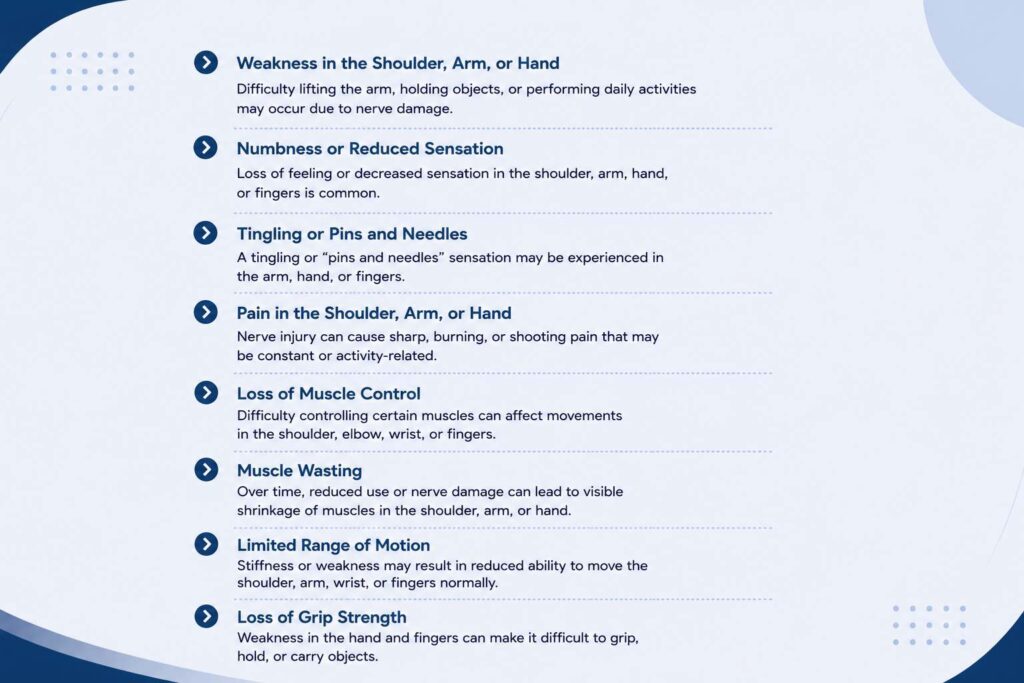
Symptoms depend on which nerves are affected and how severely they are damaged.
A person may experience:
- Shoulder weakness
- Arm weakness
- Difficulty bending or straightening the elbow
- Poor wrist or finger movement
- Numbness
- Tingling
- Persistent nerve pain
- Reduced sensation
- Muscle wasting
- Poor coordination
Sudden weakness or loss of movement following significant trauma should be assessed promptly.
How Is the Injury Diagnosed
Accurate diagnosis is an important part of Brachial Plexus Injury Repair in Thrissur. A specialist may begin with a detailed medical history and physical examination.
Diagnostic tests may include:
- Nerve conduction studies
- Electromyography
- Magnetic resonance imaging
- Computed tomography
- CT myelography in selected cases
- X-rays to identify associated bone injuries
The examination may assess muscle strength, sensation, reflexes, and the range of movement in the affected limb.
The results help determine whether the nerve is likely to recover without surgery or whether reconstruction may be appropriate.
When Is Brachial Plexus Injury Repair Considered
Surgery is not necessary for every brachial plexus injury. Some less severe nerve injuries may recover with observation and rehabilitation.
Surgical repair may be considered when there is:
- A confirmed nerve tear
- Severe nerve damage
- Little or no evidence of recovery
- Significant weakness
- Persistent functional limitation
- A nerve injury unlikely to recover adequately on its own
The timing of surgery is important because damaged nerves have limited regenerative potential. However, the appropriate timing varies according to the injury pattern, age, associated injuries, and clinical findings.
What Treatments Are Used for Brachial Plexus Injuries
Treatment is personalised according to the type and severity of nerve damage.
Observation
Milder injuries may be monitored over time to determine whether nerve function is returning.
Physiotherapy
Physiotherapy helps maintain joint flexibility and muscle condition. Exercises may also support functional recovery as nerve function returns.
Nerve Repair
If the nerve ends can be appropriately reconnected, direct nerve repair may be performed.
Nerve Grafting
When a damaged section of nerve must be removed, a healthy nerve segment may be used to bridge the gap.
Nerve Transfer
A functioning nerve or nerve branch may be redirected to an injured nerve to restore movement or other functions.
Tendon or Muscle Procedures
In selected cases, additional reconstructive procedures may be considered when nerve recovery is insufficient.
What Are the Benefits of Early Evaluation and Treatment
Early specialist assessment can provide several important advantages.
Potential benefits include:
- Identifying the location of nerve damage
- Determining the severity of the injury
- Selecting an appropriate treatment strategy
- Preventing avoidable joint stiffness
- Supporting muscle preservation
- Starting rehabilitation at the appropriate stage
- Improving the opportunity for useful nerve recovery
It is important to understand that nerve recovery can be slow. Treatment does not guarantee complete restoration of movement or sensation, particularly after severe injuries.
What Is Recovery Like After Brachial Plexus Injury Repair
Recovery depends on the extent of nerve damage and the treatment performed. Nerves regenerate slowly, so improvement may take months or longer.
Rehabilitation can play an important role throughout recovery.
A rehabilitation programme may include:
- Range-of-motion exercises
- Strengthening exercises when appropriate
- Muscle activation training
- Hand and arm functional exercises
- Sensory re-education
- Joint protection techniques
- Home exercise programmes
Consistent rehabilitation and regular follow-up can help patients make the best possible use of returning nerve function.
Tips to Support Recovery
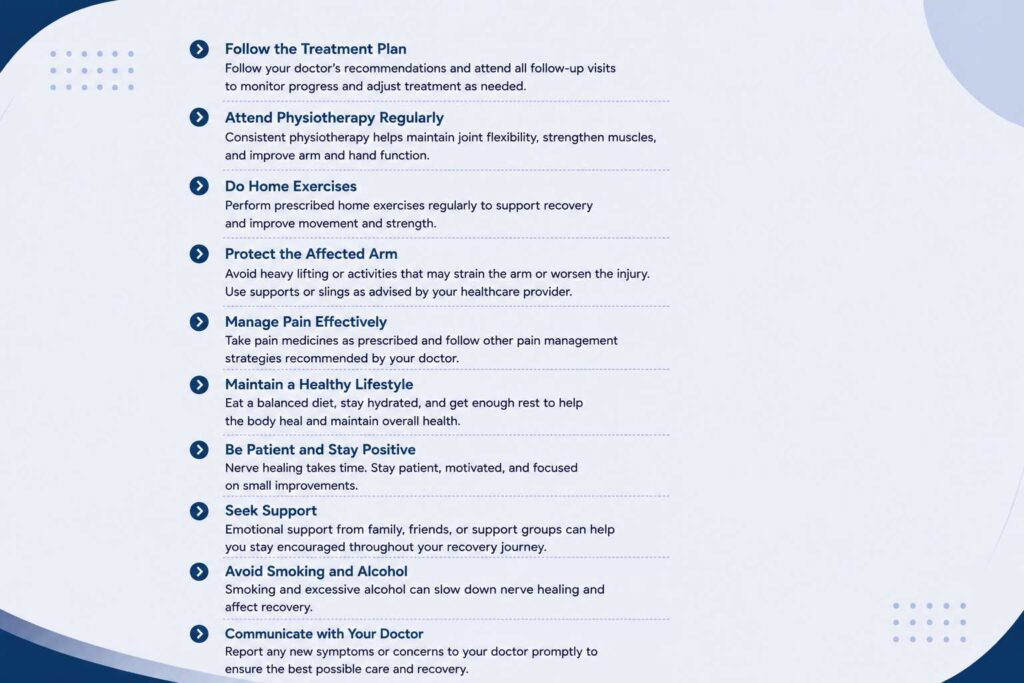
People recovering from a brachial plexus injury should follow their treatment and rehabilitation plan carefully.
Helpful measures may include:
- Attend scheduled follow-up appointments.
- Perform recommended exercises consistently.
- Protect areas with reduced sensation from burns and injuries.
- Avoid excessive strain on the affected limb.
- Maintain joint mobility as advised.
- Report new or worsening symptoms.
- Follow postoperative wound-care instructions when surgery has been performed.
- Give the nerve sufficient time to recover.
Recovery is usually gradual, so realistic expectations and patience are important.
Why Is Rehabilitation Important
Rehabilitation is an important part of recovery after Brachial Plexus Injury Repair in Thrissur. Even when nerve regeneration is progressing, muscles and joints may become weak or stiff without appropriate movement.
Physiotherapy can help maintain flexibility while supporting gradual improvements in strength and function.
Occupational therapy may also be useful when an injury affects everyday tasks such as dressing, writing, eating, lifting, or using a computer.
The rehabilitation plan should be adjusted according to the person’s recovery stage and functional goals.
When Should You Seek Specialist Evaluation
A medical evaluation is particularly important after significant trauma involving the neck, shoulder, or arm when there is:
- Sudden loss of arm movement
- Persistent numbness
- Severe nerve pain
- Weakness after an accident
- Loss of hand function
- Progressive muscle weakness
- Muscle wasting
- Difficulty using the affected limb
Prompt evaluation can help establish whether the injury is likely to recover naturally or whether additional treatment may be necessary.
Conclusion
Brachial Plexus Injury Repair in Thrissur may provide an important treatment option for selected patients with significant nerve damage. Understanding the injury, obtaining timely diagnosis, choosing an appropriate treatment approach, and following a structured rehabilitation programme can all contribute to the best possible functional recovery. Because every nerve injury is different, treatment should be planned after a detailed clinical and diagnostic assessment. For reliable information on brachial plexus injuries, symptoms, diagnosis, and treatment, visit MedlinePlus – Brachial Plexus Injuries.
Frequently Asked Questions
What is brachial plexus injury repair?
Is surgery required for every brachial plexus injury?
How long does recovery take after brachial plexus repair?
Is physiotherapy necessary after brachial plexus surgery?
Can a brachial plexus injury affect the hand?
When should someone seek treatment for a brachial plexus injury?
Is a brachial plexus injury permanent?
Can people with brachial plexus injuries lead normal lives?
Can nerve transfer restore arm movement?
Can physiotherapy improve movement after brachial plexus injury?
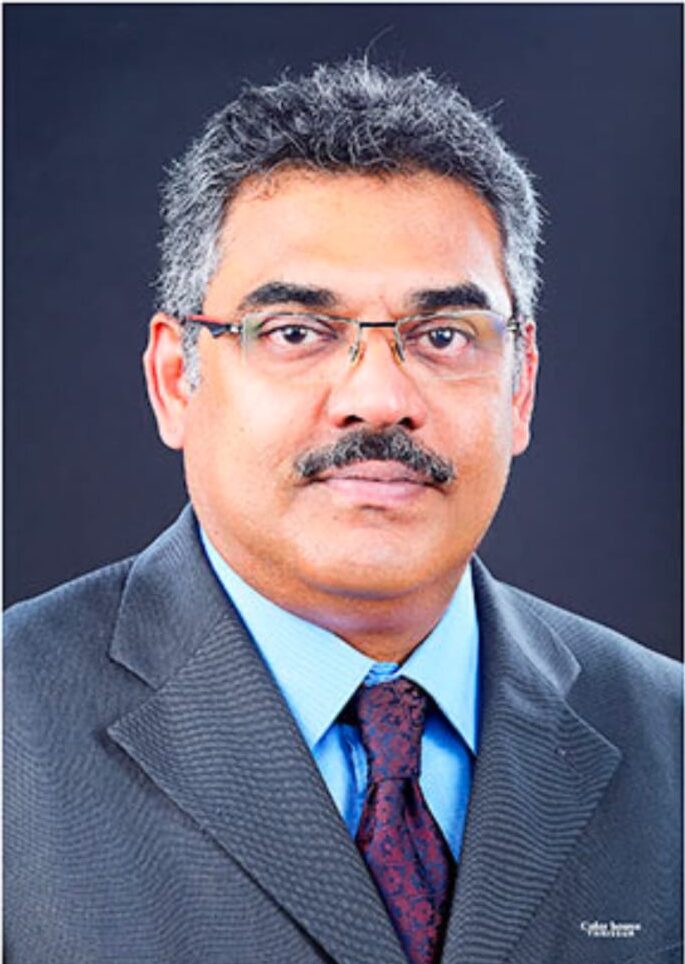
Dr. Pradeep Kumar
Plastic & Reconstructive Surgeon – Brachial Plexus & Nerve Surgery Specialist
Dr. Pradeep Kumar is an experienced plastic and reconstructive surgeon known for his expertise in brachial plexus and peripheral nerve surgery. With extensive microsurgical experience, he focuses on restoring movement and function for patients with complex nerve injuries.
Sushrutha Institute of Plastic Surgery, Elite Mission Hospital, Thrissur