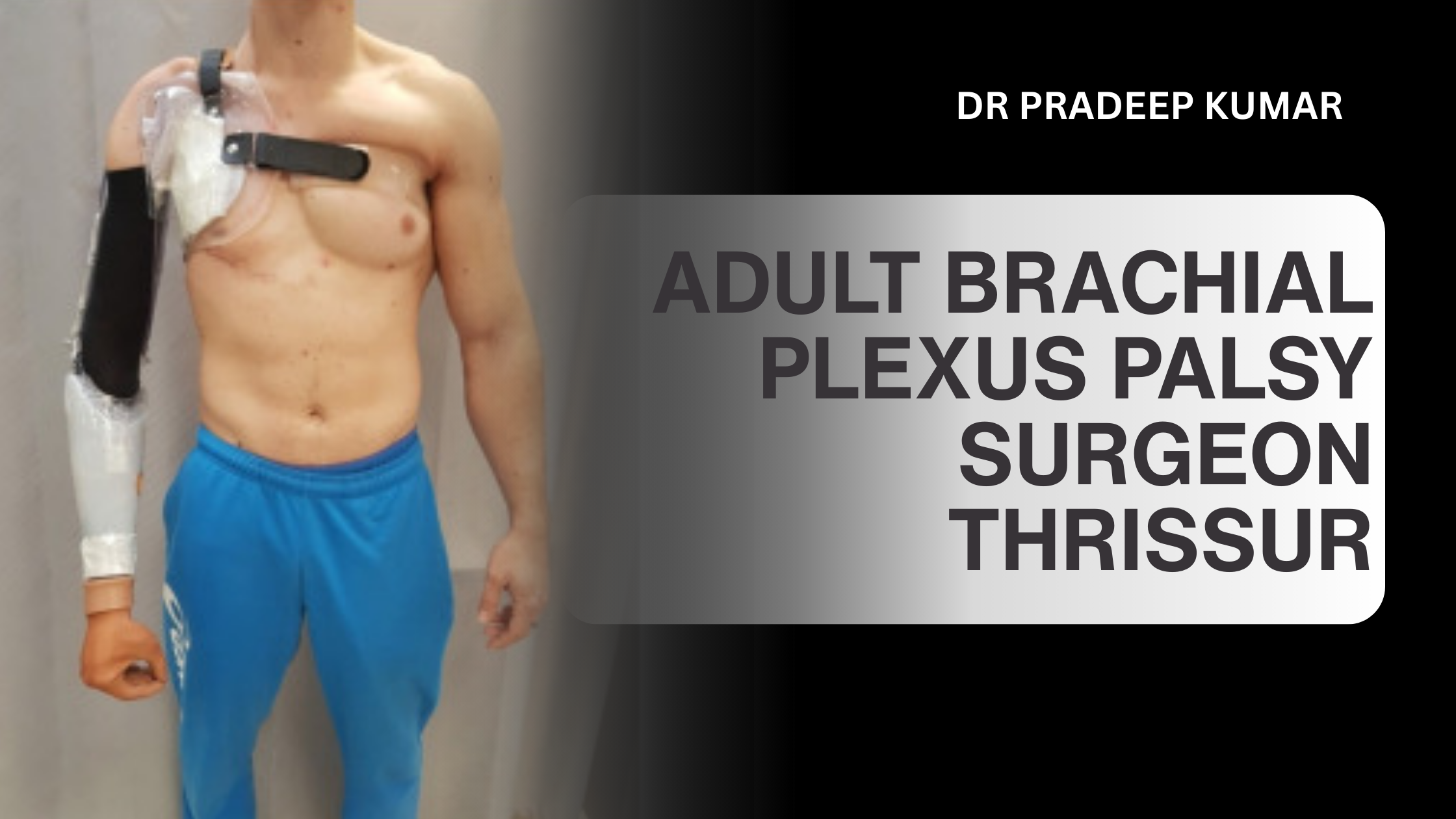
Adult brachial plexus palsy is one of the most complex and function-limiting nerve injuries affecting the upper limb, and individuals experiencing this condition often require highly specialized surgical and rehabilitative intervention to restore meaningful arm and hand function. For patients seeking advanced care in Kerala, finding a skilled adult brachial plexus palsy surgeon in Thrissur has become a priority, especially because this region has evolved into a significant hub for modern plastic, reconstructive, and peripheral nerve surgery. This blog offers a detailed, in-depth understanding of adult brachial plexus palsy, the surgical solutions available, modern microsurgical innovations, and why Thrissur has become a preferred destination for individuals requiring expert nerve reconstruction.
The following comprehensive article is designed to provide clarity, education, and guidance, especially for patients and families who may be navigating the challenging and emotionally demanding journey of nerve injury recovery. Through an expansive discussion of diagnosis, surgical planning, treatment options, rehabilitation methods, and patient-centered care principles, this guide serves as a complete resource for anyone looking for the best possible clinical outcomes.
Understanding Adult Brachial Plexus Palsy
What Is the Brachial Plexus?
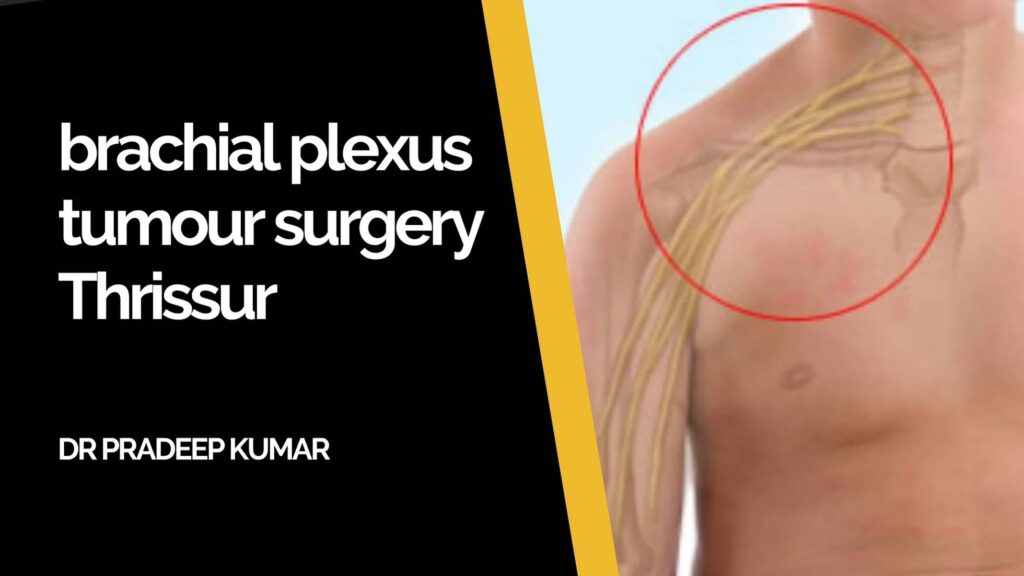
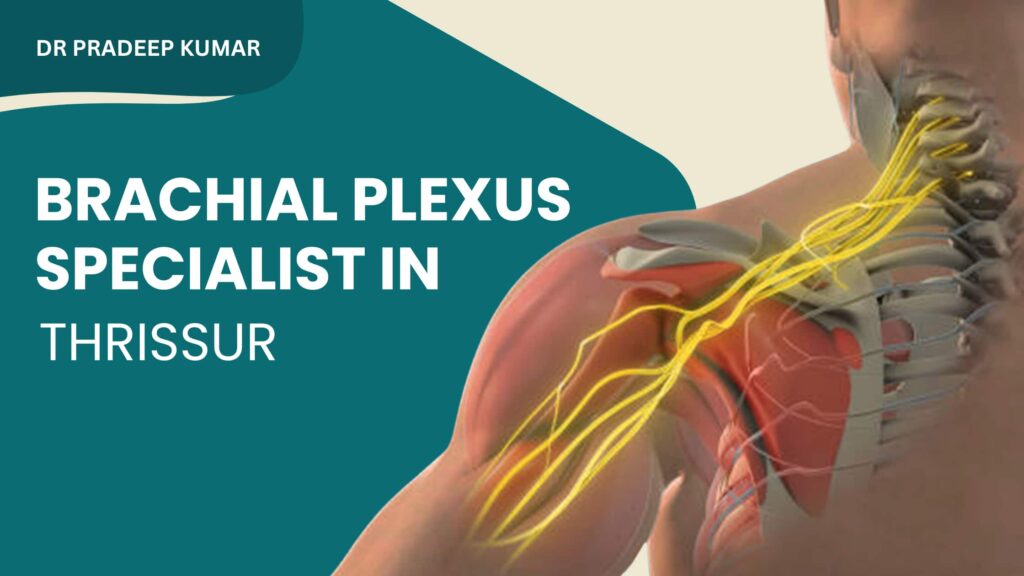
The brachial plexus is a complex network of nerves emerging from the spinal cord in the neck region, extending through the shoulder and arm, and enabling movement and sensation throughout the upper limb. This intricate structure is responsible for controlling muscle function in the shoulder, arm, elbow, wrist, and hand, while also providing sensory feedback necessary for coordinated activity. Because the brachial plexus sits at a vulnerable anatomical region, severe trauma—especially high-impact incidents—can cause partial or complete paralysis of the upper limb.
How Adult Brachial Plexus Palsy Occurs
Adult brachial plexus injuries are most often associated with significant traumatic events, unlike birth-related palsies seen in infants. Common causes include:
Road Traffic Accidents
High-velocity motorcycle and car accidents are among the leading causes, often resulting in stretching, tearing, or avulsion of nerve roots.
Industrial or Workplace Accidents
Severe traction injuries or machinery-related trauma can disrupt nerve continuity.
Sports Injuries
High-impact collisions or falls in contact sports can cause upper brachial plexus involvement.
Penetrating Injuries
Knife wounds or deep lacerations can cut peripheral nerves, requiring immediate reconstructive expertise.
Each of these mechanisms can produce varying degrees of dysfunction, ranging from mild weakness to complete flaccid paralysis, depending on the severity and location of nerve involvement.
Symptoms of Adult Brachial Plexus Palsy
Symptoms differ based on which nerves are injured, yet many patients report:
• Loss of shoulder movement
• Inability to bend the elbow
• Weakness or loss of grip
• Numbness or tingling in the arm
• Burning or electric-shock-like pain
• Complete paralysis in severe cases
Because early diagnosis and intervention greatly affect long-term outcomes, patients who seek an adult brachial plexus palsy surgeon in Thrissur early in the course of injury are more likely to experience successful recovery.
Growth of Reconstructive Microsurgery in Thrissur
Over the last two decades, Thrissur has witnessed significant improvement in microsurgical techniques, infrastructure development, and multidisciplinary collaboration in the fields of nerve reconstruction, limb salvage, and reconstructive plastic surgery. These advancements allow surgeons to perform complex nerve grafting, nerve transfer, tendon transfer, and muscle transfer procedures with high precision.
Availability of Peripheral Nerve Surgery Expertise
When patients search for an adult brachial plexus palsy surgeon Thrissur, they often find that local surgical teams possess strong experience in:
• Brachial plexus reconstruction
• Peripheral nerve repair
• Microsurgical nerve grafting
• Complex tendon and muscle transfer operations
This makes Thrissur a reliable destination for individuals with severe nerve injuries that require high-skill surgical intervention.
Rehabilitation-Centric Treatment Ecosystem
Thrissur is home to advanced rehabilitation units that work closely with surgical teams, ensuring continuity of care. Adult brachial plexus palsy requires long-term physiotherapy, occupational therapy, and functional retraining, all of which are available in structured, personalized formats.
Diagnosis and Evaluation of Adult Brachial Plexus Injuries
Accurate diagnosis is the foundation for successful surgical planning. Evaluation strategies include:
Clinical Examination
A detailed physical examination assesses muscle strength, reflexes, joint movement, sensory deficits, and signs of nerve degeneration. Surgeons carefully map out functional loss patterns to determine which nerves are injured.
Electrodiagnostic Tests
Nerve conduction studies (NCS) and electromyography (EMG) help measure electrical activity within muscles, identifying the severity and chronicity of nerve damage.
Imaging Modalities
Advanced imaging such as MRI, CT myelography, and ultrasound can reveal:
• Root avulsions
• Nerve discontinuity
• Scar tissue formation
• Neuroma development
These findings play a critical role in selecting the appropriate surgical strategy.
Treatment Strategies for Adult Brachial Plexus Palsy
Adult brachial plexus management involves both non-surgical and surgical methods, though most severe injuries ultimately require operative repair. The choice of treatment depends on the level of injury, timing, and muscle functionality.
Non-Surgical Options
While non-surgical management cannot fully restore nerve connectivity, it may provide temporary symptom relief or support mild cases.
Physiotherapy
Early physiotherapy prevents joint stiffness, promotes muscle conditioning, and reduces pain while preparing the limb for surgical reconstruction.
Pain Management
Neuropathic pain medications, nerve blocks, and adjunct therapies help reduce severe discomfort associated with nerve injuries.
Surgical Options for Adult Brachial Plexus Palsy
Patients looking for an adult brachial plexus palsy surgeon Thrissur often inquire about specific procedures available for restoring lost movement. Modern peripheral nerve surgery offers multiple advanced techniques.
1. Primary Nerve Repair
When the nerve ends are sharply cut and still viable, surgeons reconnect them through microsurgical suturing. This approach works best for clean lacerations and early intervention cases.
2. Nerve Grafting
In cases where the nerve gap is too wide to repair directly, a nerve graft from another part of the body, such as the sural nerve, is used to bridge the defect. This allows regrowth of nerve fibers across the injured segment.
3. Nerve Transfer
One of the most revolutionary treatment techniques involves transferring a less important but healthy donor nerve to an injured target nerve.
Commonly performed transfers include:
• Spinal accessory nerve to suprascapular nerve
• Intercostal nerves to musculocutaneous nerve
• Oberlin transfer for elbow flexion restoration
Nerve transfers provide meaningful recovery even when primary nerve roots are irreparably damaged.
4. Nerve Decompression
This procedure relieves pressure on nerves compressed by scar tissue or anatomical entrapment, improving pain and function.
5. Tendon Transfer
When nerves fail to regenerate adequately, tendon transfer procedures compensate for lost muscle power by redirecting functional tendons.
6. Muscle Transfer
In chronic or severe paralysis where muscles have completely deteriorated, surgeons may transplant functional muscle units from other areas of the body to restore movement.
Post-Surgical Recovery and Rehabilitation
Recovery after brachial plexus surgery requires structured, long-term rehabilitation supervised by physiotherapists trained specifically in nerve injury recovery. Patients should understand that nerve regrowth is slow—approximately 1 millimeter per day—and visible functional improvements may take months or even years.
Physiotherapy and Occupational Therapy
Therapists help patients with:
• Joint mobilization exercises
• Strengthening of reinnervated muscles
• Fine motor skill retraining
• Sensory reeducation
• Pain control strategies
Regular Follow-Ups
Surgeons monitor nerve regeneration through clinical assessment, EMG tests, and functional scoring. Adjustments to therapy programs ensure continuous progress.
Conditions Often Managed by Adult Brachial Plexus Specialist Teams in Thrissur
Specialist nerve surgery teams in Thrissur manage a wide range of conditions beyond adult brachial plexus palsy. These may include:
Brachial Plexus Conditions
• Upper plexus palsy
• Total palsy
• Brachial plexus tumors
• Traumatic avulsion injuries
• Erb’s palsy in adults (post-trauma)
Peripheral Nerve Conditions
• Carpal tunnel syndrome
• Ulnar tunnel syndrome
• Thoracic outlet syndrome
• Nerve tumors
• Facial nerve paralysis
• Traumatic neuromas
• Complex nerve entrapments
These conditions require nuanced diagnosis and tailored surgical planning based on individual functional needs.
Advanced Surgical Techniques Used in Thrissur for Adult Brachial Plexus Repair
Thrissur’s specialized departments employ several high-precision, modern techniques.
Microsurgical Instrumentation
Surgeons use operating microscopes, micro-forceps, nerve stimulators, and suture materials finer than human hair to ensure accurate nerve approximation.
Intraoperative Nerve Monitoring
Electrophysiological monitoring helps assess nerve conduction in real time, improving success rates.
Use of Biological Grafts and Conduits
In select cases, biological nerve conduits or processed grafts support nerve regeneration and reduce donor site morbidity.
Importance of Choosing a Specialized Adult Brachial Plexus Palsy Surgeon in Thrissur
Selecting the right surgeon is the most critical step for achieving meaningful functional recovery. Adult brachial plexus surgery requires extraordinary skill, because the surgeon must understand:
• Complex nerve anatomy
• Microsurgical reconstruction
• Functional biomechanics
• Long-term rehabilitation requirements
General surgeons or non-specialized practitioners may not possess the nuanced experience needed for managing multi-level nerve injuries. Therefore, patients benefit significantly by consulting a dedicated adult brachial plexus palsy surgeon in Thrissur who routinely performs reconstructive nerve procedures.
Rehabilitation Success and Patient-Centric Care Approach
While surgery plays an essential role, comprehensive post-operative care determines long-term outcomes. Thrissur’s medical ecosystem emphasizes:
Collaborative Multidisciplinary Teams
• Surgeons
• Physiotherapists
• Neurologists
• Pain specialists
• Occupational therapists
This joint approach ensures that physical, sensory, and psychological aspects of recovery are addressed.
Patient Education
Patients receive guidance on nerve healing timelines, activity modification, home exercises, and expectations to maintain motivation throughout the journey.
Why Early Consultation Matters
Patients often delay specialist evaluation due to lack of awareness, leading to poorer outcomes. Research consistently shows that early intervention—ideally within six months—offers the highest potential for functional restoration. When patients consult an adult brachial plexus palsy surgeon in Thrissur soon after injury, they can undergo timely diagnostic evaluations, targeted therapy, and surgical interventions that maximize the chances of regaining meaningful mobility.
The Role of Research and Surgical Innovation in Thrissur
Thrissur’s reconstructive and nerve surgery departments are engaged in continuous learning, adopting global best practices, and participating in academic advancements. They collaborate with national and international centers, enabling the integration of modern surgical protocols, refined microsurgical techniques, and evidence-based clinical guidelines.
These innovations ensure that patients benefit from:
• Improved surgical precision
• Accelerated recovery frameworks
• Enhanced safety measures
• Better functional outcomes
Living With Adult Brachial Plexus Palsy: A Long-Term Perspective
Recovery after brachial plexus injury is a marathon rather than a sprint. Patients must understand that:
• Nerve healing is slow
• Multiple surgical stages may be required
• Continuous physiotherapy is essential
• Emotional resilience plays a major role
Thrissur’s medical environment supports patients throughout this journey, offering structured follow-ups, individualized rehabilitation, and accessible care that reduces both physical and emotional burdens.
Conclusion: Finding the Right Adult Brachial Plexus Palsy Surgeon in Thrissur
For individuals suffering from severe upper limb weakness, paralysis, or nerve damage following trauma, accessing the right expertise is essential for regaining independence and quality of life. Thrissur has emerged as a distinguished medical hub offering specialized microsurgical, reconstructive, and rehabilitative solutions for complex peripheral nerve injuries.
By choosing an experienced adult brachial plexus palsy surgeon in Thrissur, patients gain access to:
• Comprehensive diagnosis
• Advanced microsurgical reconstruction
• Personalized treatment planning
• Long-term rehabilitation strategies
• Holistic, patient-centered care
This combination of medical excellence, technological advancement, and compassionate recovery support ensures that patients receive the highest standard of nerve injury treatment available.
Adult brachial plexus palsy is a nerve injury affecting the network of nerves that control the shoulder, arm, and hand. It usually occurs due to high-impact trauma such as road accidents, falls, or industrial injuries, resulting in weakness, loss of movement, or complete paralysis of the upper limb.
You should seek specialist consultation as early as possible, ideally within weeks of the injury. Early evaluation allows better diagnostic accuracy, timely nerve repair, and improved long-term functional recovery.
Diagnosis typically requires a combination of clinical examination, MRI scans, nerve conduction studies (NCS), electromyography (EMG), and sometimes CT myelography to determine the severity and exact location of the nerve damage.
Treatment may include physiotherapy, pain management, nerve repair, nerve grafting, nerve transfer, tendon transfer, and muscle transfer surgeries. The choice depends on the type, level, and duration of the nerve injury.
While early surgery offers the best outcomes, nerve reconstruction may still be beneficial up to 6–12 months after injury, depending on the condition. However, delays beyond this period may reduce the success of nerve regeneration, making early consultation essential.
Recovery is gradual and may take several months to years. Nerves regenerate slowly, at about 1 mm per day, so patients must follow a structured rehabilitation program to achieve optimal results.
Physiotherapy cannot reverse nerve damage, but it plays a crucial role in maintaining joint mobility, preventing stiffness, improving muscle conditioning, and supporting recovery after surgical reconstruction.
Outcomes vary based on the severity and location of the injury, the timing of surgery, patient age, and rehabilitation consistency. Many patients regain significant function, but complete restoration may not always be possible.
Yes. Thrissur has specialized reconstructive microsurgery facilities where nerve transfer techniques are routinely performed to restore key functions such as elbow bending, shoulder movement, and hand grip strength.
- brachial plexus
- December 12, 2025
- 10:45 am
- December 12, 2025