7 Essential Facts: Erb's Palsy in Children: Diagnosis & Care
Erb’s Palsy in Children: Diagnosis and Treatment is an important topic for parents whose child develops weakness or limited movement in one arm. This condition affects nerves that control the shoulder, arm, and hand, often following an injury around birth. Understanding the condition early can help families recognize symptoms and seek appropriate care. In Kerala, parents can benefit from learning about the warning signs, diagnostic process, and available treatment approaches.
Erb’s Palsy in Children: Diagnosis and Treatment generally begins with identifying changes in arm movement and determining how severely the nerves have been affected. Some children improve naturally as the nerves recover, while others may require physiotherapy or surgical treatment. The right approach depends on the extent and location of nerve damage.
Early assessment is important because growing children need good arm function for reaching, playing, dressing, writing, and other everyday activities. With appropriate monitoring and treatment, many children can make meaningful improvements.
What Is Erb’s Palsy in Children
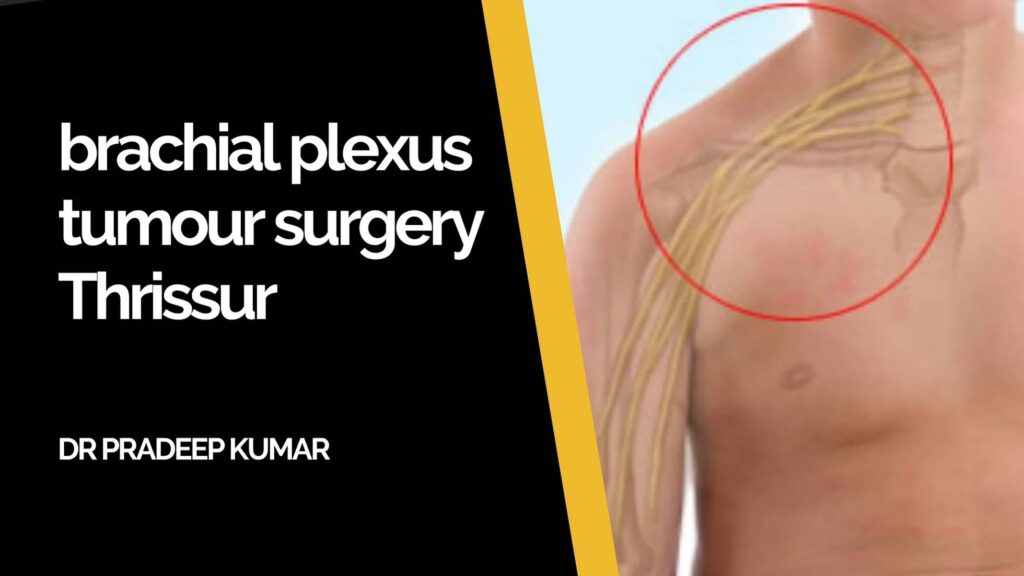
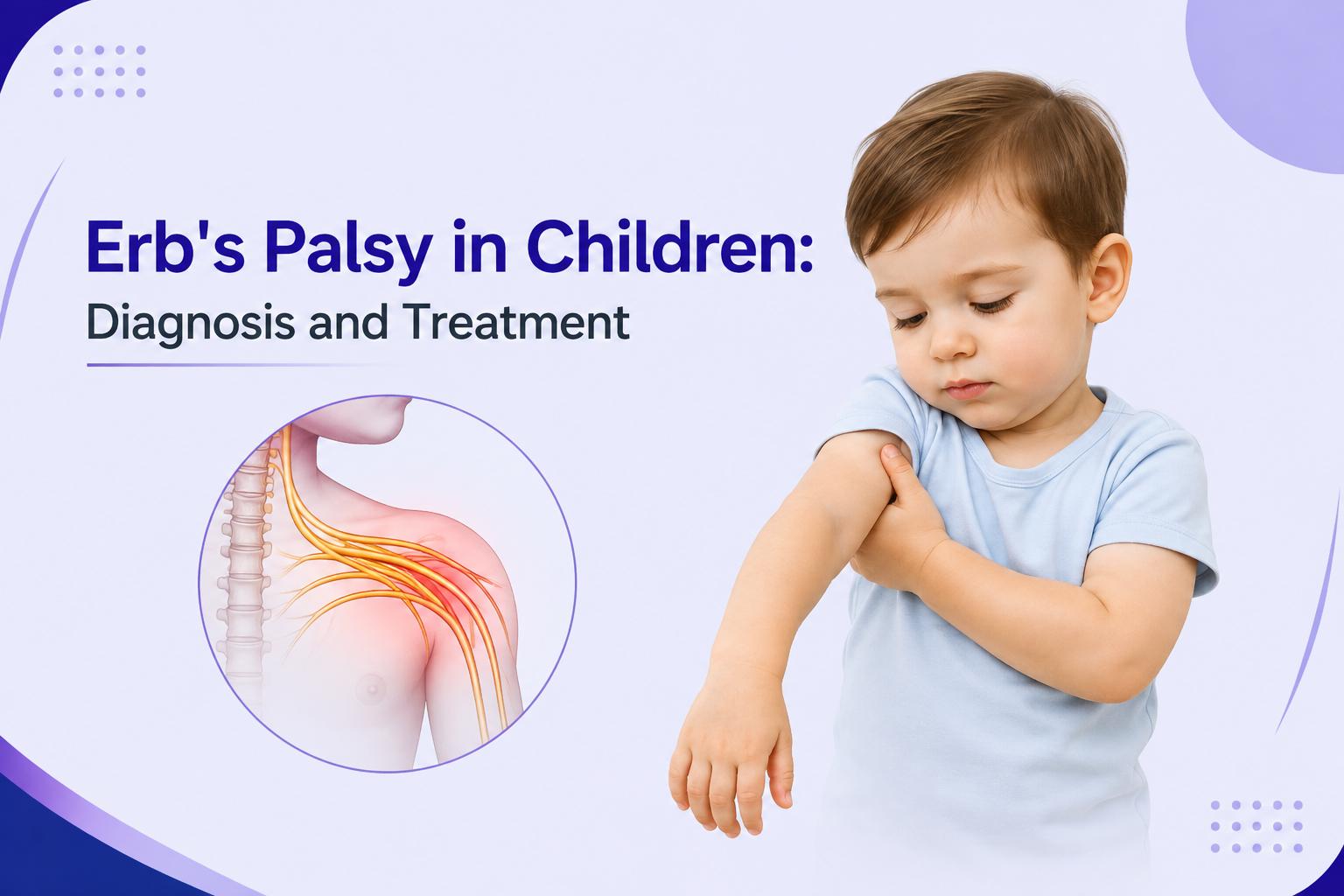
Erb’s Palsy in Children: Diagnosis and Treatment focuses on an injury involving the upper part of the brachial plexus, a network of nerves extending from the neck toward the shoulder and arm.
The brachial plexus carries signals between the spinal cord and the muscles and skin of the upper limb. When some of these nerves are stretched, compressed, or damaged, a child may have difficulty moving the affected arm.
Erb’s Palsy in Children: Diagnosis and Treatment varies according to the type of nerve injury. A mild stretch injury may recover over time, whereas a more serious nerve injury may need additional intervention.
The affected arm may appear weaker than the other arm. In some cases, the child may keep the arm close to the body with the elbow extended and the hand turned inward. These signs can be especially noticeable during infancy.
Causes of Erb’s Palsy in Children
Erb’s Palsy in Children: Diagnosis and Treatment often begins with understanding how the nerve injury occurred. The condition is commonly associated with difficult delivery, particularly when excessive force or stretching affects the baby’s neck and shoulder region.
Possible factors include:
- Difficult or prolonged delivery
- Shoulder dystocia during childbirth
- Excessive stretching of the baby’s neck and shoulder
- Large birth size
- Abnormal delivery position
- Complicated assisted delivery
- Trauma affecting the shoulder or upper arm
- Less commonly, injuries occurring after birth
Not every child with a difficult delivery develops Erb’s palsy. Similarly, the presence of a risk factor does not automatically mean that permanent nerve damage has occurred.
Types of Nerve Injury
Understanding the degree of nerve damage is an important part of Erb’s Palsy in Children: Diagnosis and Treatment.
Neuropraxia
Neuropraxia is generally considered a mild nerve injury. The nerve remains structurally intact but may temporarily stop transmitting signals properly. Recovery can occur as the nerve function returns.
Axon Injury
In some cases, the nerve’s internal fibers may be damaged while the outer structure remains partly intact. Recovery can take longer and requires careful observation.
Nerve Rupture
A more severe injury may involve a tear in the nerve. Spontaneous recovery may be limited, and surgical treatment may sometimes be considered.
Nerve Root Avulsion
This is among the most severe forms of nerve injury because the nerve root can become separated from the spinal cord. Treatment and recovery can be more complex.
The specific type and severity of injury can significantly influence Erb’s Palsy in Children: Diagnosis and Treatment decisions.
Symptoms of Erb’s Palsy in Children
Recognizing symptoms early is one of the most important aspects of Erb’s Palsy in Children: Diagnosis and Treatment.
Symptoms may include:
- Reduced movement in one arm
- Weakness around the shoulder
- Difficulty bending the elbow
- Limited ability to lift the arm
- Reduced hand or wrist movement
- An unusual resting position of the arm
- Decreased muscle strength
- Differences between the affected and unaffected arms
- Delayed development of certain arm movements
- Muscle wasting in more severe cases
In newborns, the condition may become apparent when one arm moves less than the other. A baby may also appear to favor one side.
As the child grows, symptoms may become more noticeable during activities such as reaching for toys, lifting objects, dressing, or using both hands together.
How Is Erb’s Palsy Diagnosed
A careful assessment is central to Erb’s Palsy in Children: Diagnosis and Treatment. The evaluation usually begins with a medical history and physical examination.
The assessment may consider:
- Pregnancy and delivery history
- When symptoms were first noticed
- Movement of the shoulder and elbow
- Wrist and hand function
- Muscle strength
- Reflexes
- Sensation
- Development of both arms
- Changes in muscle size over time
Imaging and Additional Tests
Depending on the child’s symptoms, additional investigations may be recommended. These can help determine the extent of nerve involvement or identify other causes of arm weakness.
Possible tests may include:
- Ultrasound in selected situations
- X-rays to evaluate associated bone or joint problems
- MRI when detailed anatomical information is needed
- Nerve conduction studies
- Electromyography in appropriate cases
The exact combination of tests depends on the child’s age, symptoms, examination findings, and suspected severity.
Why Early Evaluation Matters
Early evaluation plays an important role in Erb’s Palsy in Children: Diagnosis and Treatment because treatment decisions may depend on how nerve function changes over time.
Parents should not assume that reduced arm movement will always resolve without assessment. Some nerve injuries recover gradually, while others can result in lasting weakness.
Regular follow-up allows the child’s progress to be measured. Changes in muscle strength, range of motion, and developmental milestones can provide useful information about recovery.
Early attention can also help prevent stiffness and maintain useful movement while the nerves recover.
Treatment Options for Erb’s Palsy in Children
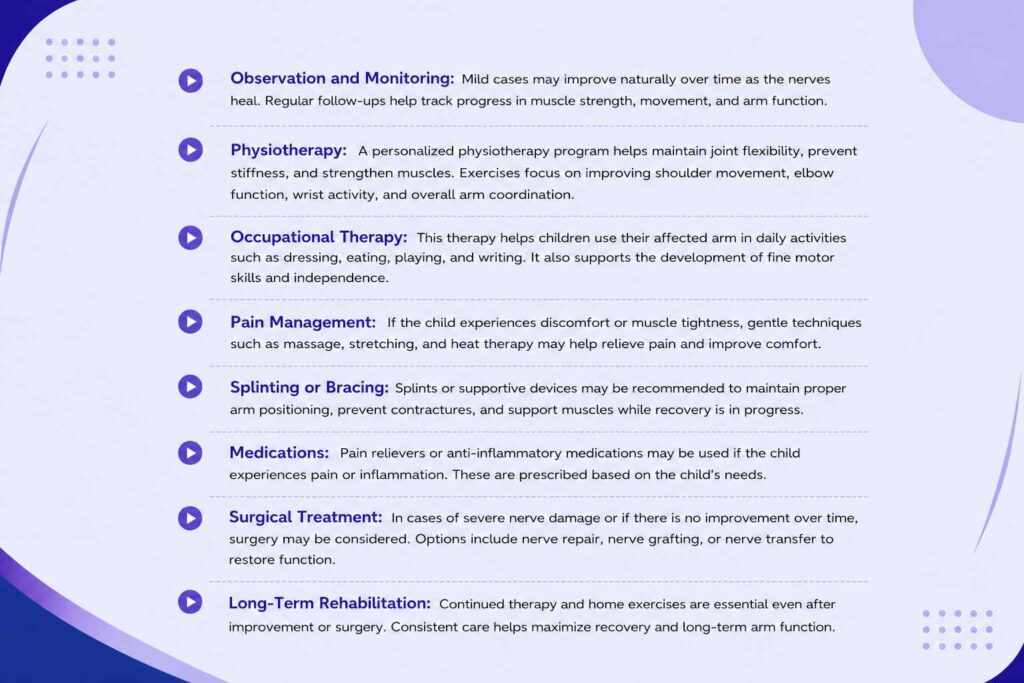
Erb’s Palsy in Children: Diagnosis and Treatment may involve observation, physiotherapy, occupational therapy, surgery, or a combination of approaches.
Treatment is individualized according to the child’s nerve injury and functional needs.
Physiotherapy
Physiotherapy is commonly an important part of Erb’s Palsy in Children: Diagnosis and Treatment. Carefully planned exercises can help maintain joint flexibility, support muscle development, and encourage useful movement.
Therapy may focus on:
- Gentle range-of-motion exercises
- Shoulder movement
- Elbow function
- Wrist and hand activity
- Muscle strengthening when appropriate
- Developmental movement
- Coordination and functional activities
Parents should follow the exercise program recommended for their child rather than forcing movements that cause discomfort.
Occupational Therapy
Occupational therapy can help children develop practical skills for everyday activities. Therapy may focus on using both arms during play, dressing, eating, school activities, and other age-appropriate tasks.
The goal is not simply to increase movement but to help the child use the affected arm effectively.
Observation and Monitoring
Some children show substantial improvement without surgery. In these cases, regular clinical monitoring can be an important part of Erb’s Palsy in Children: Diagnosis and Treatment.
Progress may be assessed through changes in active movement, muscle strength, joint flexibility, and functional ability.
Observation should be structured rather than meaning that the condition is simply ignored.
Surgical Treatment
Surgery may be considered when there is significant nerve damage and insufficient recovery. The decision depends on the child’s age, nerve injury pattern, functional progress, and other clinical findings.
Possible surgical approaches may include nerve grafting or nerve transfer procedures in selected cases.
Surgery is not required for every child with Erb’s palsy. A thorough evaluation is necessary before deciding whether an operation is appropriate.
Benefits of Early and Appropriate Treatment
The goals of Erb’s Palsy in Children: Diagnosis and Treatment are to protect arm function, support development, and maximize the child’s ability to use the affected limb.
Potential benefits of appropriate treatment include:
- Improved range of motion
- Better muscle function
- Improved arm coordination
- Reduced risk of joint stiffness
- Better performance during daily activities
- Improved use of both hands
- Support for normal childhood development
- Greater independence with age-appropriate tasks
Treatment does not guarantee complete recovery, particularly when the nerve injury is severe. However, timely assessment and consistent rehabilitation can help make the most of the child’s recovery potential.
Role of Parents During Recovery
Parents play an important role in Erb’s Palsy in Children: Diagnosis and Treatment. Recovery can take time, and progress may not always be immediate.
Helpful steps include:
- Attend scheduled follow-up appointments.
- Follow the recommended therapy routine.
- Encourage age-appropriate activities.
- Avoid pulling or lifting the child by the affected arm.
- Watch for changes in movement.
- Report new or worsening symptoms.
- Support the child emotionally during rehabilitation.
- Keep track of developmental progress.
Consistency is particularly important. Children may respond better to therapy when exercises are incorporated into enjoyable, age-appropriate activities.
Exercises and Daily Activity
Exercise recommendations should be individualized. Gentle movement may help preserve flexibility, but exercises should be performed according to professional guidance.
Depending on the child’s age and ability, therapy may incorporate activities such as reaching for toys, using both hands to hold objects, pushing lightweight objects, or performing simple play-based movements.
Parents should avoid aggressive stretching or strengthening without appropriate guidance. The goal is controlled movement that supports recovery without placing unnecessary stress on the affected arm.
Recovery and Long-Term Outlook
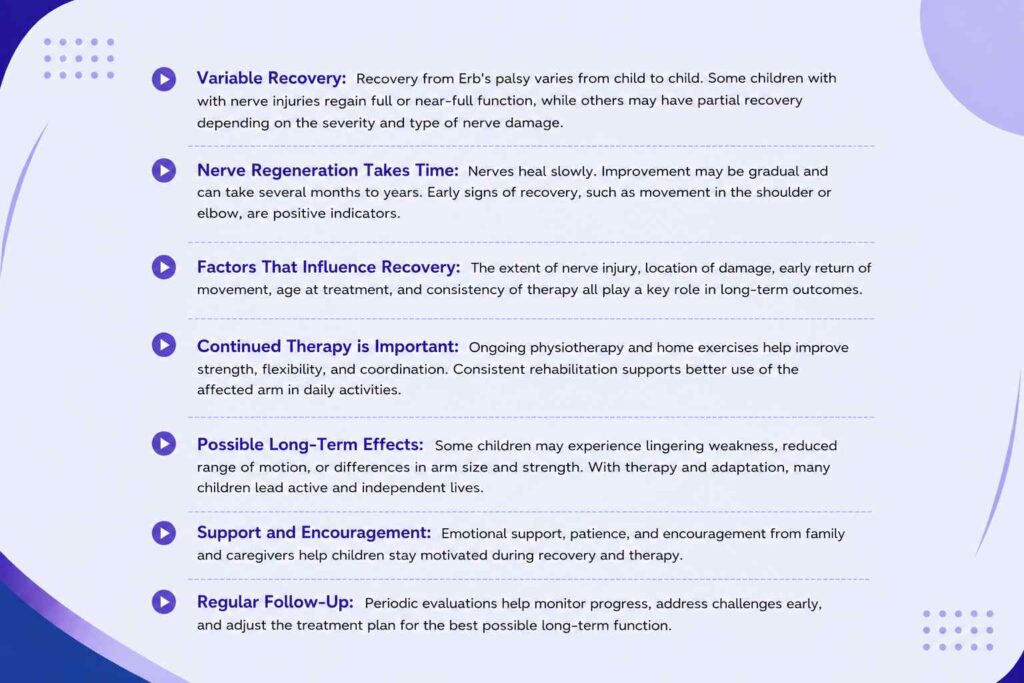
Recovery from Erb’s Palsy in Children: Diagnosis and Treatment can vary considerably. Some children regain useful movement relatively quickly, while others require months or years of therapy.
The outlook depends on factors such as:
- Severity of nerve injury
- Specific nerves involved
- Type of nerve damage
- Early return of movement
- Muscle strength
- Response to rehabilitation
- Need for surgical intervention
Children with mild injuries may experience substantial spontaneous recovery. More severe injuries can result in persistent weakness or differences in arm function.
Long-term rehabilitation may help children adapt to remaining limitations and improve their ability to participate in school, sports, play, and daily activities.
Tips for Supporting a Child With Erb’s Palsy
Families managing Erb’s Palsy in Children: Diagnosis and Treatment can use several practical strategies at home.
Encourage Safe Two-Handed Activities
Age-appropriate activities that involve both hands can encourage the child to use the affected limb as comfortably as possible.
Make Therapy Enjoyable
Turning exercises into games can help younger children participate more consistently.
Protect the Affected Arm
Avoid situations where the arm may be pulled, twisted, or placed under excessive strain.
Monitor Development
Parents can keep notes about new movements and functional improvements. This information may be useful during follow-up assessments.
Be Patient
Nerve recovery can be gradual. Small improvements in movement can be meaningful, even when progress seems slow.
When Should Parents Seek Further Assessment
Parents should seek professional assessment if a child has persistent weakness, reduced arm movement, unusual positioning of the arm, or difficulty using one arm compared with the other.
Further evaluation is particularly important if:
- Movement does not improve as expected.
- The child develops increasing stiffness.
- Muscle weakness becomes more noticeable.
- The child has difficulty with everyday tasks.
- There is a noticeable difference in arm development.
- New pain or functional problems appear.
Prompt evaluation can help determine whether the current treatment plan should be continued or adjusted.
Conclusion
Erb’s Palsy in Children: Diagnosis and Treatment involves understanding the cause of nerve injury, identifying symptoms, assessing nerve function, and selecting an appropriate treatment plan. While some children recover naturally, others may benefit from physiotherapy, occupational therapy, or surgical procedures.
Early evaluation, regular monitoring, safe movement, and consistent rehabilitation can support the best possible functional outcome. Parents should work closely with the child’s healthcare team and remain patient because nerve recovery can take time.
For families in Kerala, understanding Erb’s Palsy in Children: Diagnosis and Treatment can make it easier to recognize concerning symptoms and seek timely evaluation. With appropriate care and ongoing support, children can work toward better arm movement, independence, and participation in everyday activities. For additional information on Erb’s palsy and brachial plexus injuries, you can explore the National Institute of Neurological Disorders and Stroke for reliable medical information.
Frequently Asked Questions
What is Erb's Palsy in Children?
What causes Erb's palsy in children?
What are the common symptoms of Erb's palsy?
How is Erb's palsy diagnosed in children?
Can Erb's palsy improve without surgery?
Is physiotherapy important for children with Erb's palsy?
Does every child with Erb's palsy need surgery?
How long does recovery from Erb's palsy take?
Can Erb's palsy affect a child's hand and fingers?
Is early treatment important for Erb's palsy?
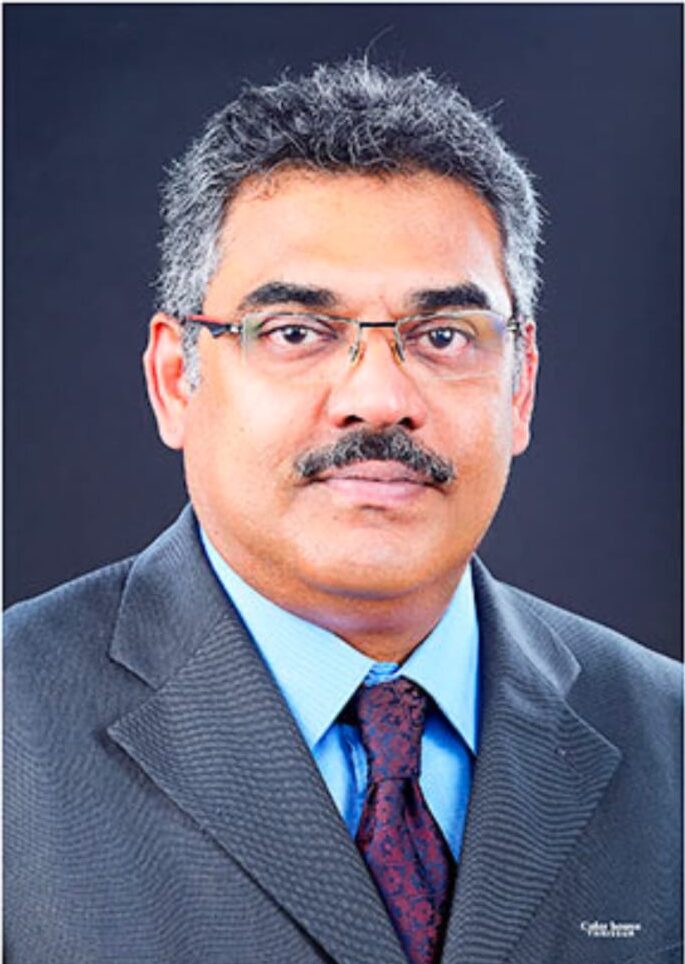
Dr. Pradeep Kumar
Plastic & Reconstructive Surgeon – Brachial Plexus & Nerve Surgery Specialist
Dr. Pradeep Kumar is an experienced plastic and reconstructive surgeon known for his expertise in brachial plexus and peripheral nerve surgery. With extensive microsurgical experience, he focuses on restoring movement and function for patients with complex nerve injuries.
Sushrutha Institute of Plastic Surgery, Elite Mission Hospital, Thrissur