7 Essential Facts About Brachial Plexus Surgery in Thrissur
Brachial Plexus Surgery in Thrissur can be considered when an injury to the network of nerves connecting the neck, shoulder, arm and hand causes significant weakness, numbness, pain or loss of movement. The brachial plexus plays an important role in controlling sensation and muscle activity in the upper limb.
Brachial plexus injuries can occur after road traffic accidents, sports injuries, falls, traction injuries or other forms of trauma. Some injuries are temporary and improve with observation and rehabilitation, while severe nerve damage may require surgical treatment.
Understanding the injury, available treatment options and expected recovery can help patients make informed decisions about their care.
What Is the Brachial Plexus
The brachial plexus is a complex network of nerves located between the neck and shoulder. These nerves originate from the spinal cord in the lower neck and upper chest region before travelling toward the shoulder and upper limb.
The nerve network carries signals that help control:
- Shoulder movement
- Elbow movement
- Wrist movement
- Hand and finger movements
- Sensation in parts of the arm and hand
Damage to these nerves can interfere with both movement and sensation. The severity depends on which nerves are affected and how badly they have been injured.
Brachial Plexus Surgery in Thrissur may be recommended when the nerves have sustained injuries that are unlikely to recover adequately without surgical intervention.
What Causes Brachial Plexus Injuries
Brachial plexus injuries may develop because of sudden stretching, compression, tearing or other damage to the nerves.
Common causes include:
- Road traffic accidents
- Motorcycle or bicycle accidents
- Falls from a height
- Contact sports injuries
- Shoulder trauma
- Penetrating injuries
- Severe traction injuries
- Tumours or other conditions affecting the nerve network
In some cases, injuries occur during childbirth. These are generally referred to as obstetric brachial plexus injuries and require specialist assessment.
The mechanism of injury is important because it can provide clues about whether a nerve is bruised, stretched, compressed, partially torn or completely disrupted.
What Are the Types of Brachial Plexus Injuries
Not every brachial plexus injury is the same. Doctors assess the type and severity of nerve damage before deciding whether surgery is appropriate.
Nerve Stretching
A nerve may be stretched without being completely disrupted. Mild injuries can sometimes recover naturally over time.
Nerve Compression
Pressure on a nerve can interfere with normal nerve signalling. Treating the underlying cause may allow function to improve.
Nerve Rupture
A nerve may be partially or completely torn. Significant ruptures may require reconstructive nerve surgery.
Nerve Root Avulsion
In severe trauma, a nerve root can be pulled away from the spinal cord. This is a serious injury and generally does not recover in the same way as a simple nerve stretch.
Brachial Plexus Surgery in Thrissur is therefore not a single procedure. The surgical approach depends on the location and extent of nerve damage.
What Symptoms Can a Brachial Plexus Injury Cause
Symptoms can vary considerably depending on the nerves involved.
Common symptoms include:
- Severe or burning pain
- Numbness
- Tingling or altered sensation
- Weakness in the arm
- Difficulty lifting the shoulder
- Reduced elbow movement
- Poor wrist control
- Difficulty moving the fingers
- Loss of grip strength
- Muscle wasting
- Reduced reflexes
Some people experience intense pain soon after an injury, while others mainly notice weakness or loss of sensation.
Persistent symptoms following significant trauma should not be ignored. Early assessment can help determine the extent of nerve injury and whether observation, rehabilitation or Brachial Plexus Surgery in Thrissur may be appropriate.
How Is a Brachial Plexus Injury Diagnosed
Diagnosis usually begins with a detailed medical history and neurological examination.
A healthcare professional may assess:
- Muscle strength
- Sensation
- Reflexes
- Joint movement
- Grip strength
- Muscle wasting
- Pain patterns
Additional investigations may be recommended when necessary.
Imaging Tests
MRI and other imaging studies can provide information about the nerves and surrounding structures. Imaging may help identify serious injuries and associated trauma.
Electrodiagnostic Tests
Nerve conduction studies and electromyography can provide information about nerve function and muscle activity. These tests may be useful for assessing the severity and progression of an injury.
Combined Assessment
No single test always provides the complete picture. Clinical findings, imaging and electrodiagnostic studies may be considered together when planning Brachial Plexus Surgery in Thrissur.
When Is Brachial Plexus Surgery Considered
Not every brachial plexus injury needs an operation. Some nerve injuries can recover naturally with appropriate observation and rehabilitation.
Surgery may be considered when there is:
- Severe nerve damage
- A nerve rupture
- Lack of meaningful recovery over an appropriate observation period
- Persistent functional weakness
- Significant loss of movement
- Severe injury identified through clinical and diagnostic evaluation
The timing of surgery is important. Nerves recover slowly, and prolonged loss of nerve supply to a muscle can reduce the potential for functional recovery.
The decision should therefore be based on the injury pattern, age, general health, functional goals, examination findings and investigation results.
What Surgical Treatments Are Available
Brachial Plexus Surgery in Thrissur may involve different reconstructive techniques depending on the type of injury.
Nerve Repair
When the ends of a damaged nerve can be brought together without excessive tension, direct repair may sometimes be possible.
Nerve Grafting
If a section of the nerve has been lost or damaged, a nerve graft may be used to bridge the gap and provide a pathway for nerve regeneration.
Nerve Transfer
In some severe injuries, a functioning nearby nerve may be redirected to restore activity in an important muscle or group of muscles. This is known as a nerve transfer.
Muscle or Tendon Procedures
In selected situations, tendon or muscle transfer procedures may be considered to improve useful movement when direct nerve reconstruction is unlikely to provide adequate function.
The appropriate technique depends on the individual injury. Brachial Plexus Surgery in Thrissur should therefore be planned after detailed evaluation rather than based solely on symptoms.
What Are the Potential Benefits of Surgery
The primary goal of brachial plexus reconstruction is to improve useful function in the affected limb. Depending on the injury and timing of treatment, potential benefits may include:
- Improved muscle strength
- Better shoulder control
- Improved elbow movement
- Improved hand or wrist function
- Reduced disability
- Better ability to perform daily activities
- Improved limb positioning
- Potential reduction in certain types of nerve-related pain
The expected result varies from person to person. Nerve regeneration is slow, and recovery may continue for many months or longer.
Brachial Plexus Surgery in Thrissur should therefore be viewed as part of a longer treatment pathway rather than an instant solution.
What Is Recovery Like After Surgery
Recovery depends on the type of surgery, severity of nerve injury and overall condition of the affected muscles and nerves.
Rehabilitation is an important part of recovery. A structured rehabilitation programme may include:
- Physiotherapy
- Range-of-motion exercises
- Muscle strengthening when appropriate
- Sensory re-education
- Occupational therapy
- Functional training
Patients may need to protect the repaired area during the early healing period. Activity restrictions can vary according to the procedure.
Because nerve regeneration is slow, improvements may take time to become noticeable. Consistent rehabilitation and regular follow-up are important for making the most of the recovered nerve function.
Tips for Supporting Recovery
Following the treating team’s instructions is essential after Brachial Plexus Surgery in Thrissur.
Helpful measures may include:
- Attend scheduled follow-up appointments.
- Follow prescribed rehabilitation exercises.
- Avoid activities that may strain the healing area.
- Protect areas with reduced sensation from burns and injuries.
- Maintain appropriate joint movement as advised.
- Report new or worsening symptoms promptly.
- Follow medication instructions carefully.
- Be patient with gradual improvements.
It is also important to understand that recovery differs between individuals. Nerve healing cannot always be predicted precisely.
Why Early Assessment Matters
A significant brachial plexus injury should be evaluated as early as reasonably possible. Early assessment can help identify the location and severity of nerve damage.
Prompt evaluation may also help determine whether the injury is likely to recover without surgery or whether reconstructive treatment should be considered.
Waiting indefinitely when there is no meaningful neurological improvement may affect the available treatment window in some severe injuries. This is why specialist evaluation can be particularly important after major trauma.
Brachial Plexus Surgery in Thrissur may be one component of a broader treatment plan involving diagnosis, surgery, rehabilitation and long-term functional monitoring.
Conclusion
Brachial plexus injuries can significantly affect movement, sensation and everyday use of the upper limb. The condition can range from temporary nerve stretching to severe nerve disruption requiring reconstruction.
Understanding the type of injury is essential because treatment should be tailored to the individual’s neurological findings and functional needs. Depending on the situation, management may involve observation, rehabilitation, nerve repair, nerve grafting, nerve transfer or other reconstructive procedures.
Recovery is usually gradual, and rehabilitation plays an important role in achieving the best possible functional outcome. Anyone experiencing persistent weakness, numbness, severe pain or loss of movement after a significant injury should seek appropriate medical assessment. For patients considering Brachial Plexus Surgery in Thrissur, a detailed specialist evaluation can help determine the most suitable treatment pathway. For more information about brachial plexus injuries and their treatment, visit the Mayo Clinic’s overview of brachial plexus injuries.
Frequently Asked Questions
What is brachial plexus surgery?
Is surgery required for every brachial plexus injury?
What symptoms may indicate a brachial plexus injury?
What tests are used to diagnose a brachial plexus injury?
What surgical treatments are available for brachial plexus injuries?
What is a nerve transfer in brachial plexus surgery?
How long does recovery take after brachial plexus surgery?
Is physiotherapy needed after brachial plexus surgery?
Can brachial plexus surgery restore normal arm function?
Why is early assessment important for a brachial plexus injury?
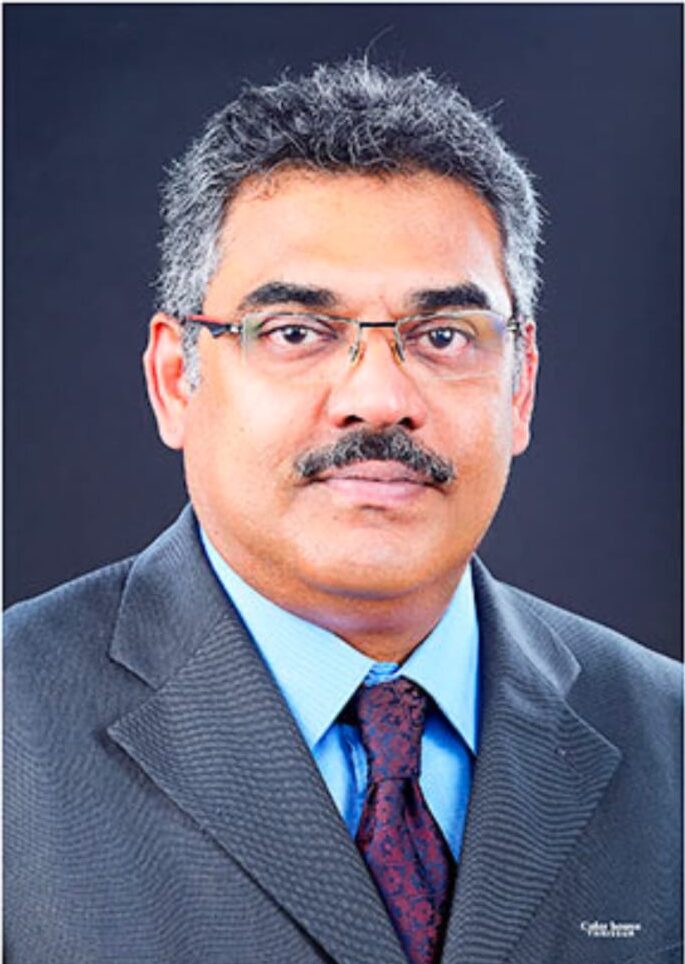
Dr. Pradeep Kumar
Plastic & Reconstructive Surgeon – Brachial Plexus & Nerve Surgery Specialist
Dr. Pradeep Kumar is an experienced plastic and reconstructive surgeon known for his expertise in brachial plexus and peripheral nerve surgery. With extensive microsurgical experience, he focuses on restoring movement and function for patients with complex nerve injuries.
Sushrutha Institute of Plastic Surgery, Elite Mission Hospital, Thrissur