10 Proven Reasons to Choose Brachial Plexus Surgery Doctor in Kerala
A brachial plexus injury can significantly affect the movement and sensation of your shoulder, arm, and hand, making even simple daily activities challenging. Finding the right Brachial Plexus Surgery Doctor in Kerala is an important step toward restoring function, reducing pain, and improving quality of life. Whether the injury results from trauma, accidents, sports injuries, or birth-related complications, early diagnosis and specialized treatment can make a remarkable difference. Patients seeking advanced nerve reconstruction and microsurgical care in Kerala can benefit from comprehensive evaluation and personalized treatment planning.
This guide explains everything you need to know about brachial plexus injuries, available treatment options, surgical procedures, recovery expectations, and why choosing an experienced specialist is essential for achieving the best possible outcomes.
Understanding the Brachial Plexus
The brachial plexus is a complex network of nerves that originates from the spinal cord in the neck and extends into the shoulder, arm, and hand. These nerves control muscle movement and provide sensation to the upper limb.
When these nerves become stretched, compressed, torn, or completely detached from the spinal cord, the condition is known as a brachial plexus injury.
A qualified Brachial Plexus Surgery Doctor in Kerala specializes in diagnosing these injuries and recommending the most effective treatment based on the severity of nerve damage.
What Is a Brachial Plexus Injury
A brachial plexus injury occurs when one or more nerves in the brachial plexus are damaged. The severity may range from temporary stretching of nerves to complete nerve root avulsion.
Some injuries heal naturally, while severe cases require surgery to restore movement and sensation.
The expertise of a Brachial Plexus Surgery Doctor in Kerala becomes especially important for complex injuries requiring microsurgical reconstruction.
Common Causes of Brachial Plexus Injuries
Road Traffic Accidents
Motorcycle and car accidents are among the leading causes of severe nerve injuries.
Sports Injuries
High-impact sports may stretch or tear the brachial plexus.
Falls
Falls from height can produce traction injuries affecting the shoulder and neck.
Industrial Accidents
Heavy machinery and workplace trauma may severely damage nerves.
Birth Injuries
Difficult childbirth may sometimes cause brachial plexus injuries in newborns.
Penetrating Trauma
Knife wounds or gunshot injuries can directly damage the nerve network.
Types of Brachial Plexus Injuries
Neuropraxia
- Mild nerve stretching
- Temporary weakness
- Usually heals without surgery
Neuroma
Scar tissue develops around injured nerves.
Rupture
The nerve tears but remains attached to the spinal cord.
Avulsion
The most severe injury where the nerve root is pulled from the spinal cord.
A Brachial Plexus Surgery Doctor in Kerala determines the injury type using advanced diagnostic techniques before planning treatment.
Symptoms of Brachial Plexus Injury
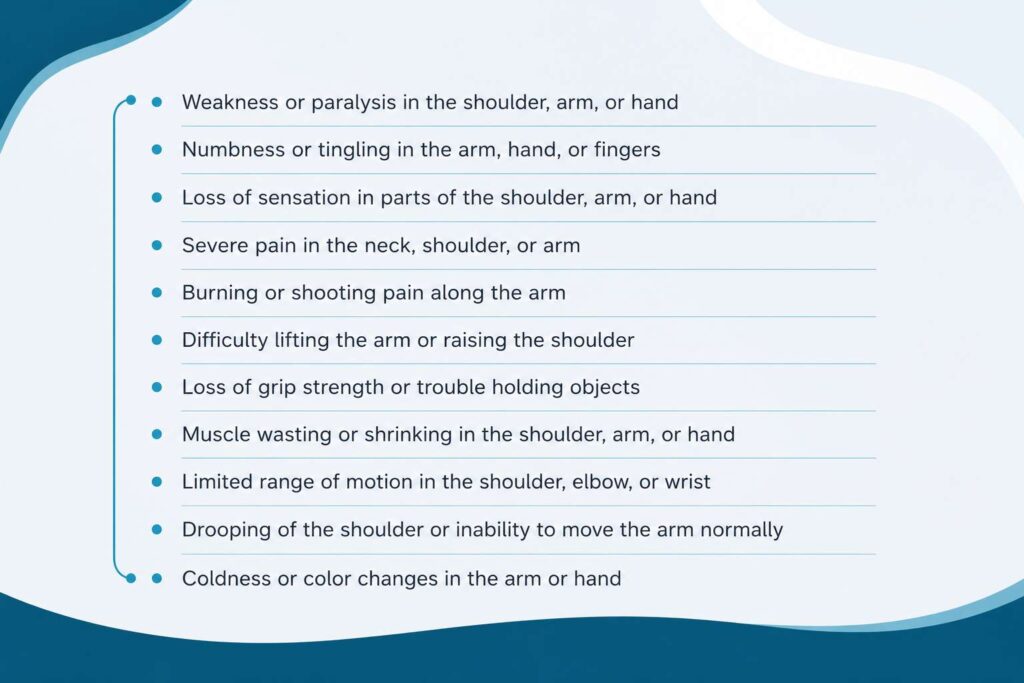
Symptoms vary depending on the extent of nerve damage.
Common symptoms include:
- Shoulder weakness
- Arm weakness
- Hand weakness
- Loss of grip strength
- Numbness
- Tingling sensation
- Burning pain
- Loss of sensation
- Paralysis of the arm
- Difficulty lifting the shoulder
- Muscle wasting
- Chronic nerve pain
If these symptoms persist after trauma, immediate evaluation is recommended.
When Should You See a Brachial Plexus Surgery Doctor in Kerala
Seek medical attention if you experience:
- Sudden arm paralysis
- Severe weakness
- Loss of sensation
- Persistent numbness
- Neck trauma
- Shoulder injury after accidents
- Increasing nerve pain
- Muscle wasting
- Difficulty using your hand
- Loss of arm movement
Early consultation significantly improves treatment outcomes.
How Is a Brachial Plexus Injury Diagnosed
A Brachial Plexus Surgery Doctor in Kerala performs a detailed assessment using several diagnostic methods.
Physical Examination
- Muscle strength testing
- Sensory evaluation
- Reflex assessment
- Range of motion
MRI
Provides detailed visualization of nerves and surrounding structures.
CT Myelography
Useful for identifying nerve root avulsions.
EMG (Electromyography)
Measures electrical activity in muscles.
Nerve Conduction Studies
Assess nerve signal transmission.
Ultrasound
May evaluate superficial nerve injuries.
Non-Surgical Treatment Options
Not every patient requires surgery.
Conservative management may include:
- Physiotherapy
- Occupational therapy
- Pain medications
- Splinting
- Muscle strengthening exercises
- Electrical stimulation
- Joint mobility exercises
- Home rehabilitation
Many mild injuries improve with structured rehabilitation.
When Is Surgery Recommended
A Brachial Plexus Surgery Doctor in Kerala may recommend surgery when:
- Nerves are completely torn
- Nerve roots are avulsed
- Weakness persists
- No improvement after several months
- Severe muscle loss develops
- Functional recovery is unlikely without surgery
Early intervention often leads to better nerve regeneration.
Types of Brachial Plexus Surgery
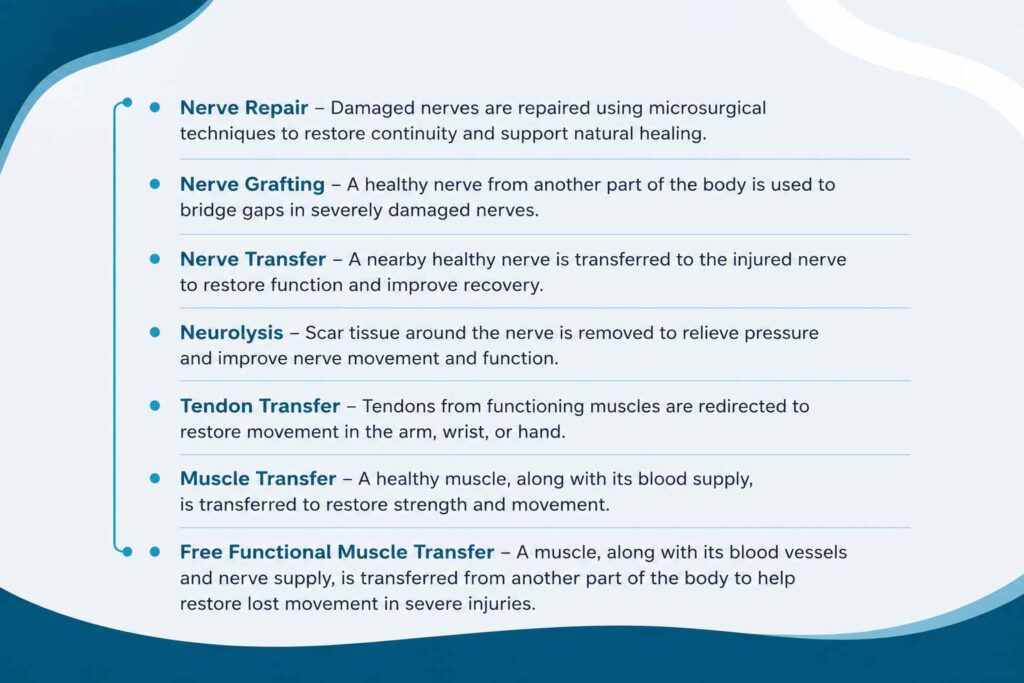
Nerve Grafting
Healthy donor nerves replace damaged nerve segments.
Benefits
- Restores nerve continuity
- Supports nerve regeneration
Nerve Transfer
Healthy functioning nerves are redirected to restore movement.
Advantages
- Faster recovery
- Better muscle activation
- Effective for severe injuries
Tendon Transfer
Tendons from functioning muscles are repositioned to improve arm movement.
Muscle Transfer
Healthy muscles may be transferred to restore lost function.
Free Functional Muscle Transfer
Microsurgical transplantation of muscle tissue can restore movement in selected patients.
A skilled Brachial Plexus Surgery Doctor in Kerala chooses the most appropriate procedure based on the injury pattern.
Benefits of Brachial Plexus Surgery
Surgical treatment offers numerous benefits.
These include:
- Improved arm function
- Better shoulder stability
- Enhanced grip strength
- Pain reduction
- Improved muscle control
- Better quality of life
- Increased independence
- Restoration of sensation
- Improved confidence
- Better daily functioning
Preparing for Surgery
Patients should follow medical advice carefully.
Preparation may include:
- Medical evaluation
- Blood investigations
- Imaging studies
- Medication review
- Smoking cessation
- Physical conditioning
- Nutritional optimization
- Understanding rehabilitation plans
What Happens During Surgery
The procedure depends on the type of injury.
Generally, surgery involves:
- General anesthesia
- Microsurgical techniques
- Identification of damaged nerves
- Repair or reconstruction
- Nerve grafting or transfer
- Wound closure
- Recovery monitoring
Operations may take several hours depending on complexity.
Recovery After Surgery
Recovery requires patience because nerves regenerate slowly.
Typical recovery includes:
Hospital Stay
Usually a few days.
Pain Management
Medications help control discomfort.
Immobilization
A sling may protect the repaired nerves.
Physiotherapy
Essential for regaining movement.
Occupational Therapy
Improves daily functional activities.
Long-Term Rehabilitation
Recovery can continue for months or even years.
A dedicated rehabilitation program greatly influences outcomes.
Rehabilitation After Brachial Plexus Surgery
Rehabilitation focuses on:
- Range of motion
- Muscle strengthening
- Functional exercises
- Joint protection
- Sensory re-education
- Hand coordination
- Grip training
- Shoulder mobility
- Home exercise programs
Regular follow-up with your healthcare team ensures steady progress.
Possible Risks of Surgery
Like any major procedure, surgery carries certain risks.
Possible complications include:
- Infection
- Bleeding
- Nerve pain
- Scar formation
- Delayed healing
- Limited recovery
- Muscle weakness
- Stiffness
- Anesthesia-related risks
Choosing an experienced Brachial Plexus Surgery Doctor in Kerala helps minimize these risks.
Tips for Better Recovery
To improve healing:
- Attend every follow-up appointment.
- Complete your physiotherapy sessions.
- Follow home exercise instructions.
- Eat a balanced diet.
- Stay hydrated.
- Avoid smoking.
- Protect the affected arm.
- Maintain a positive attitude.
- Report new symptoms promptly.
- Give nerves enough time to regenerate.
Why Experience Matters
Brachial plexus surgery is highly specialized and requires advanced microsurgical expertise.
An experienced Brachial Plexus Surgery Doctor in Kerala provides:
- Accurate diagnosis
- Individualized treatment plans
- Advanced surgical techniques
- Comprehensive rehabilitation guidance
- Long-term follow-up care
- Multidisciplinary treatment approach
These factors contribute to improved functional recovery and patient satisfaction.
Conclusion
Choosing the right Brachial Plexus Surgery Doctor in Kerala can significantly influence recovery, functional improvement, and long-term quality of life. Prompt diagnosis, advanced surgical techniques, dedicated rehabilitation, and ongoing follow-up all contribute to better outcomes for patients with brachial plexus injuries. Whether the injury is mild or severe, individualized treatment offers the best chance of restoring strength, movement, and independence. If you or a loved one has experienced symptoms of a brachial plexus injury, seeking timely evaluation in Thrissur is an important step toward effective treatment and recovery. Learn more about brachial plexus injuries, including symptoms, diagnosis, and treatment, from the Cleveland Clinic .
Frequently Asked Questions
What does a Brachial Plexus Surgery Doctor in Kerala treat?
Is brachial plexus surgery always necessary?
How soon should brachial plexus surgery be performed?
How long does recovery take after brachial plexus surgery?
Is brachial plexus surgery painful?
Can hand movement return after brachial plexus surgery?
What tests are required before brachial plexus surgery?
Will physiotherapy be required after surgery?
Can children undergo brachial plexus surgery?
How do I choose the right Brachial Plexus Surgery Doctor in Kerala?
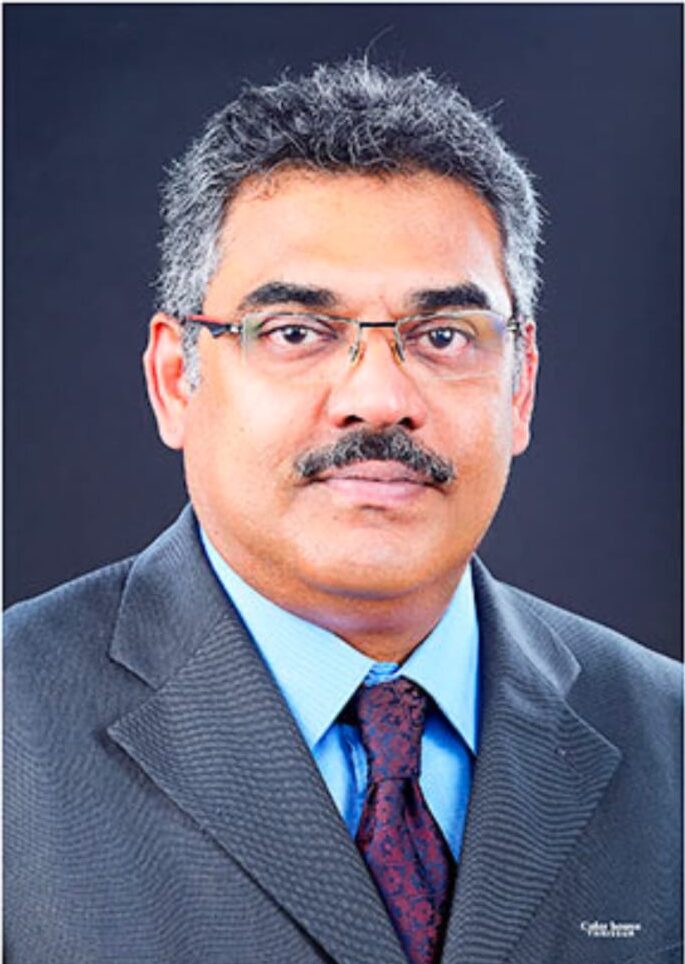
Dr. Pradeep Kumar
Plastic & Reconstructive Surgeon – Brachial Plexus & Nerve Surgery Specialist
Dr. Pradeep Kumar is an experienced plastic and reconstructive surgeon known for his expertise in brachial plexus and peripheral nerve surgery. With extensive microsurgical experience, he focuses on restoring movement and function for patients with complex nerve injuries.
Sushrutha Institute of Plastic Surgery, Elite Mission Hospital, Thrissur