Symptoms of Brachial Plexus Injury You Should Never Ignore
The symptoms of brachial plexus injury are not always obvious at first but ignoring them can cost you the best window for recovery.
The brachial plexus is a network of nerves originating from the spinal cord between the C5 and T1 vertebrae, running through the neck, shoulder, and down the arm. These nerves control every movement and sensation in the arm, forearm, and hand. When they are damaged through trauma, compression, or tearing the effects can range from temporary weakness to permanent loss of arm function.
Understanding the symptoms of brachial plexus injury and acting on them early is the difference between full recovery and long-term disability. This page explains every symptom you need to watch for, why they occur, and when to seek specialist evaluation.
Why Symptoms of Brachial Plexus Injury Must Never Be Ignored
Nerve tissue does not heal the way bone or muscle does. Once significant nerve damage occurs, the window for surgical repair is narrow — typically three to six months from the date of injury. After this period, the muscles that depend on those nerves begin to undergo irreversible wasting, and reconstruction becomes far more complex with reduced chances of full recovery.
Many patients delay seeking help because symptoms appear mild at first, or because they attribute arm weakness and tingling to a muscle strain. This delay is one of the most common reasons for poor outcomes in brachial plexus injury cases.
Recognising the specific symptoms of brachial plexus injury and seeking early specialist evaluation is not optional – it is urgent.
Symptom 1: Arm Weakness or Paralysis
The most prominent symptom of a brachial plexus injury is weakness in the arm – ranging from reduced strength to complete paralysis depending on the severity and level of the injury.Arm weakness is one of the most disabling symptoms of brachial plexus injury.
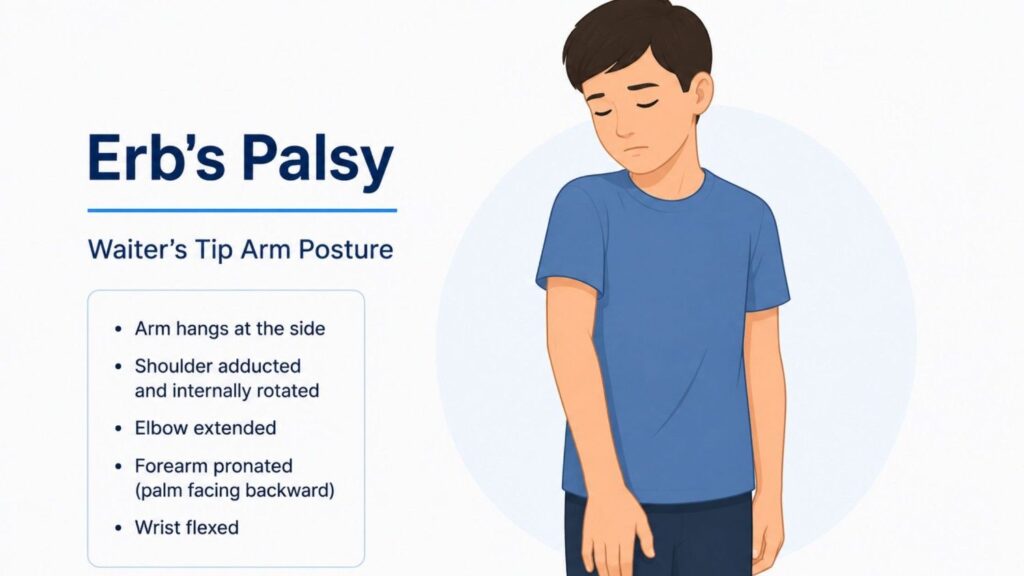
- Upper brachial plexus injuries (C5–C6) affect the shoulder and elbow. The patient cannot raise the arm, rotate the shoulder outward, or flex the elbow effectively.
- Lower brachial plexus injuries (C8–T1) affect the wrist, hand, and finger movements. Gripping, pinching, and fine motor tasks become difficult or impossible.
- Complete brachial plexus injuries result in a totally flail arm no movement from shoulder to fingertip.
Weakness that appears suddenly after a trauma, fall, or accident involving the neck and shoulder region is a direct red flag for brachial plexus injury.
Symptom 2: Numbness and Loss of Sensation
Loss of sensation numbness, reduced touch, or inability to feel temperature is a key symptom of brachial plexus injury that often accompanies weakness.
The area of numbness corresponds to the specific nerve roots involved:
- C5–C6 injuries produce numbness over the outer arm and thumb side of the forearm
- C7 injuries affect the middle finger and back of the hand
- C8–T1 injuries cause numbness along the inner forearm and the little finger side of the hand
Patients sometimes describe the sensation as the arm feeling “dead,” “disconnected,” or “not their own.” This sensory loss is not just discomfort it is a sign that nerve signals are no longer reaching the skin and underlying tissues.
Symptom 3: Burning or Electric Pain (Neuropathic Pain)
A brachial plexus injury does not always present as a dull ache. Many patients experience severe, burning, shooting, or electric-shock-like pain running from the neck or shoulder down into the arm and hand.
This is called neuropathic pain – pain generated by the damaged nerve itself rather than by tissue injury. It can be constant, or triggered by light touch, temperature changes, or movement.
In cases of root avulsion – where the nerve is torn completely from the spinal cord – patients often describe an intense, unrelenting burning sensation in the hand and forearm despite having no movement or sensation in that limb. This phenomenon is known as deafferentation pain and is one of the most challenging symptoms of brachial plexus injury to manage.
Burning or electric pain in the arm following trauma should never be dismissed as a muscle injury.
Symptom 4: Tingling Sensations (Paraesthesia)
Tingling, pins and needles, or crawling sensations in the arm, forearm, or fingers are common early symptoms of brachial plexus injury -particularly in milder nerve stretch injuries (neurapraxia).
These sensations occur because the damaged nerve is sending abnormal, disorganised signals to the brain. While tingling alone may resolve as the nerve recovers, persistent or worsening paraesthesia is a warning sign that the nerve is under continued stress and needs evaluation.
Symptom 5: Weak or Absent Grip Strength
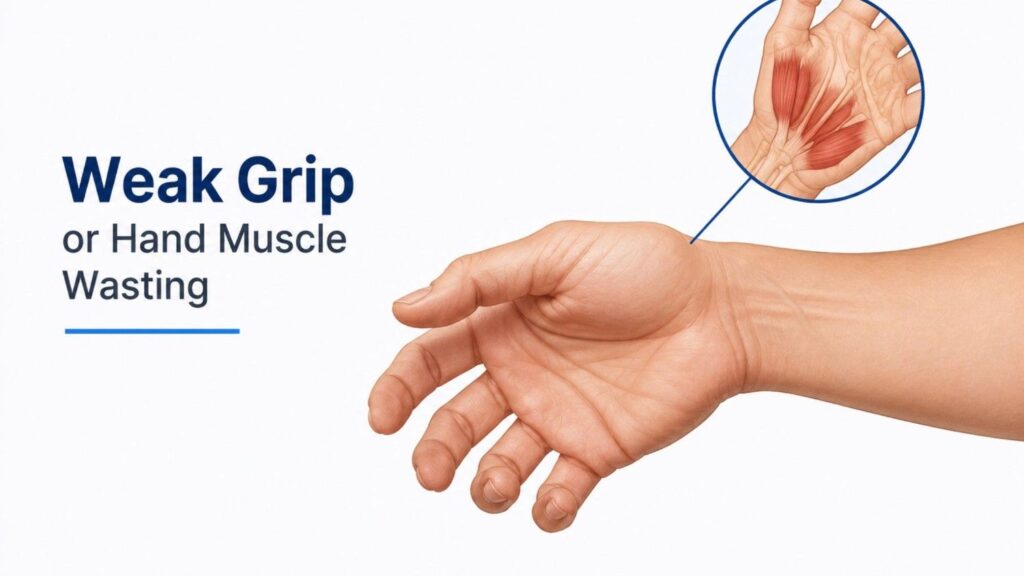
Reduced grip strength is a particularly disabling symptom of brachial plexus injury involving the lower nerve roots (C7, C8, T1). Patients find it difficult to hold objects, open jars, type, or perform basic daily activities requiring hand strength.
In severe cases, the small muscles of the hand waste away visibly – a condition known as intrinsic muscle atrophy – leading to a flattened palm and clawed fingers. Once muscle wasting reaches an advanced stage, recovery of hand function becomes significantly more difficult even with surgical intervention.
Symptom 6: Horner’s Syndrome
Horner’s syndrome is a specific cluster of symptoms that indicates a severe lower brachial plexus injury involving the T1 nerve root or the sympathetic chain alongside it.
Signs include:
- Ptosis – drooping of the upper eyelid on the affected side
- Miosis – a smaller, constricted pupil on the affected side
- Anhidrosis – reduced sweating on the affected side of the face
The presence of Horner’s syndrome in a patient with arm symptoms strongly suggests a preganglionic nerve root avulsion – the most severe type of brachial plexus injury. This finding changes the surgical planning significantly, as avulsed roots cannot be directly repaired and require nerve transfer procedures.
Symptoms of Brachial Plexus Injury in Newborns
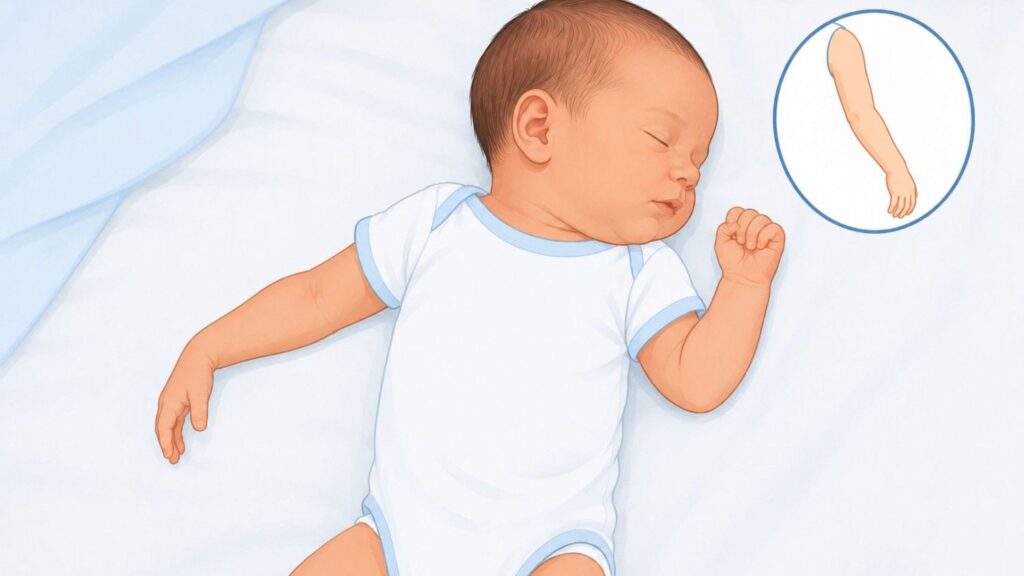
Brachial plexus injuries are not exclusive to adults. Newborns can sustain brachial plexus damage during difficult deliveries involving shoulder dystocia, prolonged labour, or instrumental delivery.
Symptoms in newborns include:
- One arm held limply at the side with no spontaneous movement
- Absent or reduced Moro reflex on the affected side
- Weak or absent grasp reflex in the affected hand
- Visible asymmetry in arm movement during crying or reaching
When Symptoms of Brachial Plexus Injury Need Urgent Attention
Seek urgent specialist evaluation for symptoms of brachial plexus injury if you or your child experience:
- Sudden arm weakness or complete inability to move the arm after trauma
- Numbness or complete loss of sensation from shoulder to hand
- Burning, electric, or unrelenting pain in the arm following an accident
- A drooping shoulder with inability to lift the arm
- Horner’s syndrome signs — drooping eyelid and small pupil on one side
- A newborn’s arm that remains limp after a difficult delivery
The earlier the evaluation, the greater the range of treatment options available and the better the chances of meaningful recovery.
Conclusion
The symptoms of brachial plexus injury -arm weakness, numbness, burning pain, loss of grip, drooping shoulder, and Horner’s syndrome are the body’s clearest signals that nerve damage has occurred and that time-sensitive action is needed. Whether the injury follows a road accident, a sports collision, a fall, or a difficult childbirth, no symptom should be attributed to muscle strain without proper evaluation. The nerve repair window is short, and the consequences of missing it are long-lasting.
For additional information about brachial plexus injuries and peripheral nerve disorders, patients can refer to the National Institute of Neurological Disorders and Stroke (NINDS).
FREQUENTLY ASKED QUESTIONS

Dr. Pradeep Kumar
Plastic & Reconstructive Surgeon – Brachial Plexus & Nerve Surgery Specialist
Dr. Pradeep Kumar is an experienced plastic and reconstructive surgeon known for his expertise in brachial plexus and peripheral nerve surgery. With extensive microsurgical experience, he focuses on restoring movement and function for patients with complex nerve injuries.
Sushrutha Institute of Plastic Surgery, Elite Mission Hospital, Thrissur