Carpal Tunnel Syndrome : Treatment Approaches
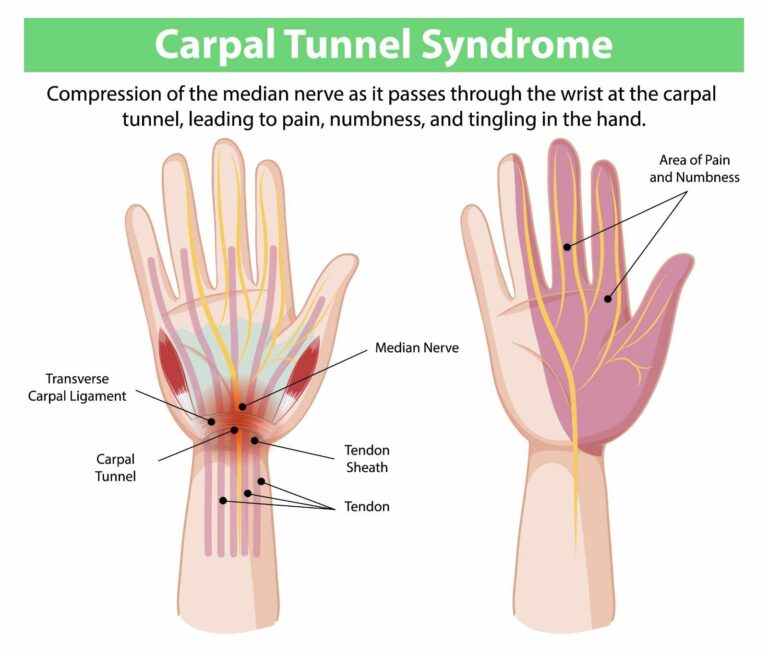
For individuals experiencing hand numbness, tingling, or wrist pain in Thrissur, understanding the available treatment approaches for carpal tunnel syndrome is essential for timely relief and long-term nerve protection. Carpal tunnel syndrome is a condition caused by compression of the median nerve as it passes through the narrow carpal tunnel in the wrist. Treatment aims to reduce pressure on the nerve, relieve symptoms, restore hand function, and prevent permanent nerve damage.
Treatment approaches for carpal tunnel syndrome vary depending on symptom severity, duration, daily activity demands, and response to earlier interventions. Management may range from conservative, non-surgical methods to surgical intervention in advanced cases.
Goals of Treatment for Carpal Tunnel Syndrome
The primary goals of treatment include relieving pressure on the median nerve, reducing pain and numbness, improving hand strength and coordination, and preventing progression of nerve damage. Early-stage carpal tunnel syndrome often responds well to conservative care, while long-standing or severe cases may require more definitive treatment.
Choosing the appropriate treatment approach depends on symptom pattern, functional impairment, and diagnostic findings.
Non-Surgical Treatment Approaches for Carpal Tunnel Syndrome
Wrist Splinting
Wrist splinting is one of the most commonly recommended initial treatments. A splint holds the wrist in a neutral position, reducing pressure within the carpal tunnel and minimizing nerve compression.
Splints are often worn at night, as symptoms frequently worsen during sleep due to wrist bending. Consistent splint use can significantly reduce night-time numbness and tingling, especially in early or mild cases.
Activity Modification
Repetitive wrist movements and prolonged hand use contribute to symptom progression. Activity modification focuses on reducing strain on the wrist during daily tasks.
This may include adjusting hand position during work, using ergonomic tools, taking frequent breaks, and avoiding prolonged gripping or wrist flexion. Small changes in routine can substantially reduce symptom severity over time.
Anti-Inflammatory Medications
Non-steroidal anti-inflammatory medications may help reduce pain and inflammation associated with carpal tunnel syndrome. While these medications do not correct nerve compression, they can provide temporary symptom relief when used appropriately.
Medication use is typically combined with other conservative measures rather than relied upon as a standalone treatment.
Corticosteroid Injections
Corticosteroid injections into the carpal tunnel can reduce inflammation and swelling around the median nerve. This treatment often provides significant short-term relief, particularly in moderate cases.
Injections may delay or eliminate the need for surgery in some individuals. However, repeated injections are generally limited due to potential side effects and diminishing effectiveness over time.
Hand and Wrist Therapy
Therapy exercises are designed to improve wrist mobility, strengthen surrounding muscles, and promote nerve gliding. Specific exercises may help reduce nerve irritation and improve hand function.
Therapy programs are often customized based on symptom severity and occupational demands. When followed consistently, rehabilitation exercises can enhance recovery and prevent recurrence.
Lifestyle-Based Treatment Approaches
Weight and Health Management
Certain health conditions can increase pressure within the carpal tunnel. Managing overall health plays an important role in treatment success.
Maintaining a healthy body weight, controlling blood sugar levels, and addressing inflammatory conditions can reduce symptom intensity and improve treatment outcomes.
Ergonomic Adjustments
Ergonomic modifications at workstations help maintain proper wrist alignment and reduce repetitive strain. Adjustments may include keyboard positioning, chair height correction, padded supports, and task rotation.
These changes are particularly important for individuals with desk-based or repetitive manual work.
Monitoring Response to Conservative Treatment
Most non-surgical treatments require several weeks to months to show full benefits. Regular symptom monitoring helps determine whether the chosen approach is effective.
Improvement in night-time symptoms, reduced tingling, and improved hand strength suggest positive response. Lack of improvement or worsening symptoms may indicate the need for further evaluation.
Surgical Treatment Approaches for Carpal Tunnel Syndrome
Indications for Surgery
Surgical treatment is considered when conservative methods fail to relieve symptoms, or when there is evidence of significant nerve compression. Persistent numbness, muscle weakness, or muscle wasting are common indicators for surgical intervention.
Surgery aims to permanently relieve pressure on the median nerve by enlarging the carpal tunnel.
Carpal Tunnel Release Procedure
Carpal tunnel release involves cutting the transverse carpal ligament to create more space within the tunnel. This reduces nerve compression and restores normal blood flow to the median nerve.
The procedure can be performed using open or minimally invasive techniques. Both methods are effective in relieving symptoms when performed appropriately.
Recovery After Surgical Treatment
Post-surgical recovery typically involves gradual improvement in sensation and hand strength. Pain relief often occurs early, while nerve recovery may take weeks or months depending on severity and duration of compression.
Light hand use is usually encouraged early, while heavy gripping is gradually reintroduced. Adhering to rehabilitation instructions supports optimal recovery.
Post-Treatment Rehabilitation and Care
Hand Strengthening and Mobility
Rehabilitation following treatment focuses on restoring hand function, flexibility, and grip strength. Exercises are introduced progressively to avoid strain.
Rehabilitation is important after both non-surgical and surgical treatment to maintain long-term results.
Preventing Recurrence
Preventive strategies aim to avoid repeated nerve compression. Continued ergonomic awareness, regular breaks, and wrist-friendly habits help reduce recurrence risk.
Long-term success depends on maintaining lifestyle adjustments even after symptom resolution.
Long-Term Outlook of Carpal Tunnel Syndrome Treatment
The prognosis of carpal tunnel syndrome treatment is generally favorable when intervention occurs early. Mild to moderate cases often respond well to conservative care.
Advanced cases may require surgery but still achieve significant symptom relief and functional improvement. Delayed treatment, however, increases the risk of incomplete nerve recovery.
Choosing the Right Treatment Approach
Selecting the appropriate treatment approach involves balancing symptom severity, daily activity requirements, and individual response to therapy. A stepwise approach is commonly followed, beginning with conservative care and progressing to surgery if needed.
Early evaluation and personalized management improve outcomes and reduce long-term complications.
Conclusion
Treatment approaches for carpal tunnel syndrome focus on relieving median nerve compression, restoring hand function, and preventing permanent nerve damage. Options range from wrist splinting and activity modification to injections and surgical intervention, depending on severity.
With timely care and appropriate treatment selection, most individuals can achieve meaningful symptom relief and return to normal activities. For those seeking structured and effective management in Thrissur, understanding these treatment approaches supports informed decisions and better long-term hand health.
Table Of Content
Evaluation process and treatment planning. Learn more
Factors influencing treatment expenses. Learn more
Possible risks and complications of treatment. Learn more
Basic tests are reviewed, medications adjusted if needed, and the hand is cleaned and numbed before the procedure. Learn more
A small incision is made at the wrist and the tight ligament is released to relieve pressure on the nerve. Learn more
What to expect before and after carpal tunnel syndrome treatment helps individuals feel more prepared and confident about the recovery journey. Learn more
Frequently Asked Questions
1. What are the treatment options for carpal tunnel syndrome?
Treatment options include wrist splinting, activity modification, medications, injections, therapy exercises, and surgery in severe cases.
2. When is treatment necessary for carpal tunnel syndrome?
Treatment is recommended when symptoms such as numbness, tingling, or hand weakness persist or interfere with daily activities.
3. Can carpal tunnel syndrome be treated without surgery?
Yes, many mild to moderate cases improve with non-surgical treatments such as splinting, ergonomic changes, and therapy.
4. How long does non-surgical treatment take to work?
Symptom improvement may occur within a few weeks, though full relief can take several months depending on severity.
5. When is surgery considered for carpal tunnel syndrome?
Surgery is considered if symptoms do not improve with conservative treatment or if there is significant nerve compression.
6. Is carpal tunnel surgery effective?
Surgery is generally effective in relieving nerve compression and reducing symptoms, especially when performed before permanent nerve damage occurs.
7. Are there risks associated with carpal tunnel treatment?
Risks vary depending on the treatment method and may include temporary pain, stiffness, or incomplete symptom relief.
8. How soon can normal activities be resumed after treatment?
Light activities can often be resumed within days, while full hand strength may take weeks or months to return.
9. Can symptoms return after treatment?
Recurrence is uncommon but possible, particularly if wrist strain and repetitive activities continue.
10. How can treatment results be maintained long term?
Maintaining proper wrist posture, taking regular breaks, and following ergonomic practices help support long-term results.