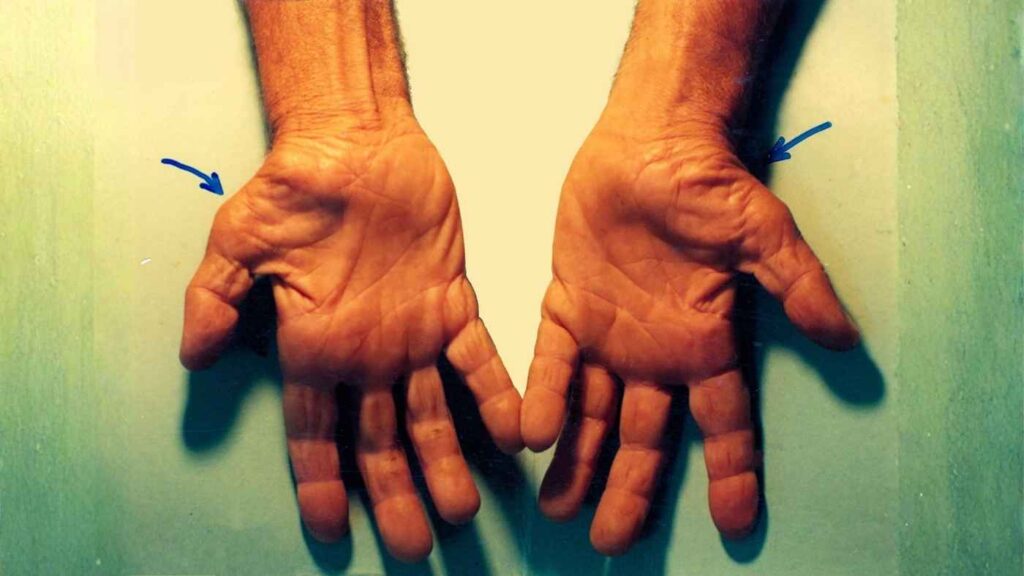
For individuals seeking information and care in Thrissur, understanding what carpal tunnel syndrome is can help in early recognition and timely management. Carpal tunnel syndrome is a common nerve-related condition that affects the hand and wrist. It occurs when the median nerve, which runs through a narrow passage in the wrist called the carpal tunnel, becomes compressed. This compression can interfere with normal nerve function and lead to symptoms such as pain, numbness, tingling, and weakness in the hand and fingers.
1. Understanding the Carpal Tunnel Structure
The carpal tunnel is a narrow channel located on the palm side of the wrist. It is formed by wrist bones at the bottom and a strong ligament on top. Inside this tunnel pass the median nerve and several tendons that help bend the fingers.
Because the space within the carpal tunnel is limited, any swelling or pressure in this area can compress the median nerve. When this compression persists, it leads to the symptoms commonly associated with carpal tunnel syndrome.
2. What Causes Carpal Tunnel Syndrome?
Carpal tunnel syndrome develops when pressure builds up around the median nerve. This pressure may result from various factors rather than a single cause. Common contributing factors include repetitive hand movements, prolonged wrist bending, fluid retention, wrist injuries, and inflammatory conditions.
Certain medical conditions such as diabetes, thyroid disorders, and arthritis may also increase the risk. Pregnancy-related fluid changes can temporarily increase pressure in the carpal tunnel, leading to symptoms that often improve after delivery.
3. Common Symptoms of Carpal Tunnel Syndrome
Symptoms usually begin gradually and may worsen over time if left untreated. The most common symptoms include numbness and tingling in the thumb, index finger, middle finger, and part of the ring finger. Some individuals experience a burning sensation or electric shock-like feelings in the hand.
Pain may extend from the wrist to the forearm or shoulder. Weakness in the hand can make it difficult to grip objects, button clothes, or perform fine motor tasks. In advanced cases, muscle wasting at the base of the thumb may occur.
4. Early Warning Signs to Watch For
Early symptoms often appear during activities that involve repeated wrist movement or prolonged hand use. Night-time numbness and tingling are common early signs. Some people find themselves shaking their hands to relieve discomfort.
Ignoring early warning signs can allow the condition to progress. Recognizing symptoms early and seeking evaluation can help prevent long-term nerve damage.
5. How Carpal Tunnel Syndrome Is Diagnosed
Diagnosis typically begins with a detailed medical history and physical examination. The healthcare provider may assess hand strength, sensation, and wrist movement. Simple tests that involve tapping or bending the wrist may be used to reproduce symptoms.
In some cases, nerve conduction studies or electromyography tests are recommended to measure how well the median nerve is functioning. Imaging studies may be used to rule out other wrist or nerve problems.
6. Role of Lifestyle Changes in Management
Lifestyle modifications play an important role in symptom control. Maintaining proper wrist posture during work, taking regular breaks from repetitive activities, and using supportive equipment can reduce strain.
Maintaining a healthy weight and managing underlying medical conditions can also help reduce the risk of symptom progression. Small daily adjustments often contribute to long-term symptom relief.
7. Recovery and Rehabilitation After Treatment
Recovery varies depending on the treatment approach. Non-surgical management may lead to gradual symptom improvement over weeks or months. After surgical treatment, most individuals experience relief from numbness and pain, although full recovery of strength may take time.
Rehabilitation exercises may be recommended to restore wrist mobility and hand function. Following post-treatment instructions helps support optimal healing and functional recovery.
8. Impact on Daily Life and Work Activities
Carpal tunnel syndrome can affect both personal and professional life. Activities such as writing, cooking, driving, and using electronic devices may become difficult. Work tasks involving repetitive hand use may need modification.
With proper management and workplace adjustments, many individuals are able to continue their activities with minimal disruption.
9. Importance of Early Medical Evaluation
Early evaluation allows for prompt treatment and better outcomes. Mild symptoms are often easier to manage and may respond well to conservative treatment. Delayed diagnosis increases the risk of long-term nerve damage and functional impairment.
Seeking professional assessment at the first sign of persistent symptoms supports better recovery and long-term hand health.
10. Summary of Carpal Tunnel Syndrome
Carpal tunnel syndrome is a nerve compression condition that affects hand sensation and movement. It develops when pressure builds up within the carpal tunnel and compresses the median nerve. Symptoms may include numbness, pain, tingling, and weakness.
Early recognition, appropriate treatment, and lifestyle adjustments play a key role in preventing complications and supporting recovery. Understanding the condition helps individuals make informed decisions about care and long-term management.
For individuals seeking information and support in Thrissur, learning about carpal tunnel syndrome and its management options can help promote early action and better hand health outcomes.
Table Of Content
Good candidates are individuals with persistent symptoms such as numbness, tingling, or reduced hand function that do not improve with conservative care. Learn more
The cost varies depending on the type of treatment, severity of the condition, hospital facilities, and required follow-up care. Learn more
During the consultation, the doctor evaluates symptoms, performs physical examination, reviews nerve tests if needed, and discusses treatment options. Learn more
Common symptoms include hand numbness, tingling in fingers, wrist pain, reduced grip strength, and night-time discomfort. Learn more
Frequently Asked Questions
1. What is carpal tunnel syndrome?
Carpal tunnel syndrome is a condition caused by compression of the median nerve in the wrist, leading to pain, numbness, tingling, and weakness in the hand.
2. What are the early symptoms of carpal tunnel syndrome?
Early symptoms often include tingling, numbness in the fingers, night-time hand discomfort, and mild wrist pain.
3. Which fingers are affected by carpal tunnel syndrome?
The thumb, index finger, middle finger, and part of the ring finger are commonly affected.
4. Can carpal tunnel syndrome get worse over time?
Yes, symptoms may gradually worsen if the condition is not treated, potentially leading to permanent nerve damage.
5. Who is at higher risk of developing carpal tunnel syndrome?
People who perform repetitive hand movements, have certain medical conditions, or experience hormonal changes may be at higher risk.
6. How is carpal tunnel syndrome diagnosed?
Diagnosis usually involves a physical examination and may include nerve conduction studies to assess nerve function.
7. Is surgery always required for carpal tunnel syndrome?
No, many mild to moderate cases can be managed with non-surgical treatments such as splinting and activity modification.
8. How long does recovery take after carpal tunnel treatment?
Recovery time varies, but many individuals notice symptom improvement within weeks to months depending on treatment type.
9. Can carpal tunnel syndrome be prevented?
While not always preventable, maintaining proper wrist posture and taking regular breaks during repetitive tasks can reduce risk.
10. Is carpal tunnel syndrome a permanent condition?
With early diagnosis and proper treatment, many people experience significant improvement and long-term symptom relief.