Total brachial plexus birth palsy is one of the most severe forms of nerve injury affecting newborns, often resulting in complete paralysis of the upper limb from the shoulder down to the hand. For families facing this diagnosis, the condition can be overwhelming, emotionally challenging, and filled with uncertainty about their child’s future movement and independence. Early diagnosis, expert evaluation, and timely intervention play a critical role in determining long-term outcomes.
In recent years, total brachial plexus birth palsy treatment in Thrissur has gained recognition due to the availability of advanced microsurgical nerve reconstruction, multidisciplinary pediatric care, and structured rehabilitation programs tailored specifically for infants and children. This detailed guide explains what total brachial plexus birth palsy is, how it occurs, available treatment options, and why Thrissur has become a trusted destination for specialized care.
Understanding the Brachial Plexus
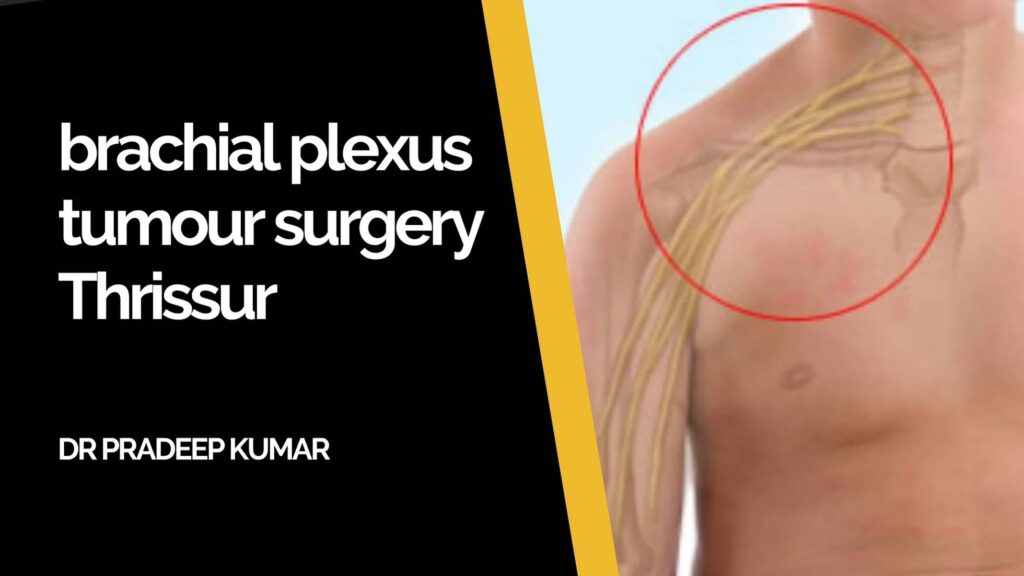
The brachial plexus is a complex network of nerves that originates from the spinal cord in the neck and extends through the shoulder into the arm and hand. These nerves are responsible for controlling muscle movement and sensation in the upper limb. Every action—from lifting the arm to gripping an object—depends on the proper functioning of this nerve network.
When injury occurs to the brachial plexus during birth, it disrupts the communication between the brain and the muscles of the arm. The severity of functional loss depends on how many nerve roots are involved and the extent of damage.
What Is Total Brachial Plexus Birth Palsy?
Total brachial plexus birth palsy occurs when all major nerve roots of the brachial plexus (C5 to T1) are affected during childbirth. Unlike partial palsy, which may involve only shoulder or elbow weakness, total palsy results in complete paralysis of the entire upper limb, including the shoulder, arm, forearm, wrist, and hand.
Infants with total brachial plexus birth palsy typically show no active movement in the affected arm shortly after birth. Sensation may also be reduced or absent, and the limb may appear limp or flaccid.
This condition requires evaluation by a total brachial plexus birth palsy specialist in Thrissur who is experienced in advanced nerve reconstruction and pediatric microsurgery.
How Does Total Brachial Plexus Birth Palsy Occur?
Total brachial plexus birth palsy usually occurs during difficult deliveries where excessive traction is applied to the baby’s neck and shoulder. Common risk factors include:
Prolonged or obstructed labor
Shoulder dystocia
Large birth weight
Breech delivery
Instrument-assisted delivery
During such situations, excessive stretching of the neck can damage multiple nerve roots, leading to complete loss of upper limb function.
Early Signs and Symptoms in Infants
Parents and caregivers may notice the following signs soon after birth:
No movement in the shoulder, elbow, wrist, or fingers
Limp or floppy arm posture
Absence of reflexes in the affected arm
Reduced or absent sensation
Asymmetry between the two arms
Early identification of these signs is critical. Infants suspected of having total brachial plexus birth palsy should be evaluated as early as possible by a total brachial plexus birth palsy specialist in Thrissur to determine the severity and plan appropriate management.
Why Total Brachial Plexus Birth Palsy Requires Specialized Care
Total brachial plexus birth palsy is among the most complex nerve injuries treated in pediatric patients. Unlike mild or partial palsies, spontaneous recovery is rare in total palsy cases. Successful management requires:
Expertise in pediatric nerve anatomy
Advanced microsurgical skills
Experience with nerve grafting and nerve transfer procedures
Long-term rehabilitation planning
Close follow-up during the child’s growth and development
The goal of treatment is not only nerve repair but also restoration of meaningful function that allows the child to use the arm in daily activities as they grow.
Why Thrissur Is a Preferred Destination for Treatment
Thrissur has emerged as a major center for advanced brachial plexus and peripheral nerve care, particularly for complex pediatric cases. Families seeking a total brachial plexus birth palsy specialist in Thrissur benefit from a combination of expertise, infrastructure, and child-focused rehabilitation.
Advanced Diagnostic Facilities
Accurate diagnosis is essential before planning treatment. Specialized centers in Thrissur utilize:
Detailed clinical assessment
Ultrasound evaluation of nerves
MRI imaging for nerve visualization
Electrophysiological studies (when indicated)
These tools help determine the extent of nerve damage and guide decision-making.
Microsurgical Expertise
Total brachial plexus birth palsy often requires intricate microsurgical reconstruction. Centers in Thrissur are equipped with high-precision operating microscopes and instruments designed for delicate nerve surgery in infants.
Multidisciplinary Pediatric Care
Treatment involves collaboration among nerve surgeons, pediatricians, physiotherapists, occupational therapists, and rehabilitation specialists. This team-based approach ensures holistic care tailored to the child’s developmental needs.
Evaluation and Diagnosis
Diagnosis begins with a thorough physical examination to assess muscle activity, reflexes, and limb posture. The absence of spontaneous recovery by specific developmental milestones often indicates the need for surgical intervention.
Specialists evaluate:
Shoulder movement
Elbow flexion
Wrist and finger activity
Sensory response
Imaging and nerve studies help confirm the diagnosis and plan the most appropriate treatment strategy.
Initial Non-Surgical Management
In the early weeks of life, all infants with brachial plexus birth palsy are started on conservative management.
Physiotherapy
Gentle physiotherapy helps maintain joint mobility, prevent stiffness, and preserve muscle health. Parents are trained in safe handling and positioning techniques.
Monitoring for Recovery
In mild cases, nerve recovery may occur naturally. However, in total palsy, lack of improvement over time signals the need for surgical intervention.
Surgical Treatment for Total Brachial Plexus Birth Palsy
Surgery plays a crucial role in restoring function for infants with total brachial plexus birth palsy. Advanced total brachial plexus birth palsy treatment in Thrissur includes several specialized procedures.
Nerve Repair
If nerve ends are intact and viable, direct nerve repair may be performed to restore continuity.
Nerve Grafting
When nerve roots are damaged or gaps exist, nerve grafts are used to bridge the injured segments and allow nerve regeneration.
Nerve Transfer
Nerve transfer is a cornerstone procedure in total palsy cases. Healthy donor nerves are redirected to reinnervate critical muscles, helping restore shoulder stability, elbow flexion, and hand function.
Staged Reconstruction
In many cases, reconstruction is performed in stages to maximize functional recovery and adapt to the child’s growth.
Secondary Reconstructive Procedures
As the child grows, additional procedures may be required to improve function.
Tendon Transfer
Tendons from functioning muscles are transferred to restore specific movements.
Muscle Transfer
In cases of severe muscle atrophy, muscle transfer procedures help restore essential limb movements.
These secondary surgeries complement initial nerve reconstruction and enhance long-term outcomes.
Rehabilitation and Long-Term Care
Rehabilitation is a lifelong component of treatment.
Physiotherapy
Regular physiotherapy supports muscle strengthening, joint flexibility, and coordinated movement development.
Occupational Therapy
Occupational therapy focuses on improving hand function, fine motor skills, and independence in daily activities.
Family Education
Parents play a key role in rehabilitation. Education and guidance help ensure consistent therapy at home.
Importance of Early Surgical Intervention
Timing is one of the most critical factors in treatment success. Surgery performed within the optimal window—usually within the first year of life—offers the best chance for meaningful recovery.
Delayed intervention may reduce the potential for nerve regeneration and functional improvement. Early consultation with a total brachial plexus birth palsy specialist in Thrissur significantly improves outcomes.
Emotional and Developmental Support
Beyond physical recovery, total brachial plexus birth palsy affects emotional and social development. Comprehensive care includes psychological support, family counseling, and encouragement to help children build confidence as they grow.
Living With Total Brachial Plexus Birth Palsy
Children with total brachial plexus birth palsy can achieve significant functional improvement with proper treatment and rehabilitation. While recovery is a long journey, modern microsurgical techniques and structured therapy have transformed long-term outcomes.
With expert care, many children learn to use their affected arm effectively and participate fully in daily activities.
Conclusion
Total brachial plexus birth palsy is a severe and complex condition that requires highly specialized expertise, advanced microsurgical intervention, and long-term rehabilitation. Thrissur has established itself as a trusted destination for comprehensive pediatric nerve care, offering families access to modern diagnostics, advanced surgical techniques, and dedicated rehabilitation programs.
For parents seeking the best possible outcomes for their child, consulting a total brachial plexus birth palsy specialist in Thrissur provides a strong foundation for restoring movement, improving function, and supporting healthy development.
Total brachial plexus birth palsy is a severe nerve injury occurring at birth where all major nerves supplying the arm are affected, leading to complete paralysis of the upper limb.
In total palsy, the shoulder, arm, forearm, wrist, and hand are all affected, whereas partial palsy involves only certain movements such as shoulder or elbow function.
It usually occurs during difficult deliveries due to excessive stretching of the baby’s neck and shoulder, often associated with shoulder dystocia, prolonged labor, or large birth weight.
Infants with no arm movement after birth should be evaluated as early as possible. Early consultation with a total brachial plexus birth palsy specialist improves treatment outcomes.
Spontaneous recovery is uncommon in total palsy cases. Most infants require surgical intervention along with long-term rehabilitation for meaningful functional improvement.
Treatment may include nerve repair, nerve grafting, nerve transfer surgery, staged reconstruction, and structured physiotherapy tailored for infants and children.
Surgery is commonly considered within the first year of life if there is no significant improvement, as early intervention offers better nerve regeneration potential.
Recovery is gradual and may take several months to years. Nerve regeneration is slow, and consistent physiotherapy plays a vital role in long-term outcomes.
With early diagnosis, advanced surgical treatment, and dedicated rehabilitation, many children achieve meaningful improvement in arm movement and daily function.
Thrissur offers specialized pediatric nerve care, advanced microsurgical facilities, multidisciplinary rehabilitation teams, and experience in managing complex birth-related nerve injuries.