Upper brachial plexus palsy is a complex nerve condition that significantly affects shoulder and arm movement, often limiting a person’s ability to perform even simple daily activities. This condition occurs when the upper roots of the brachial plexus nerve network are injured, leading to weakness or paralysis of key muscles responsible for shoulder elevation, arm lifting, and elbow bending. Because of the intricate anatomy of the brachial plexus and the functional importance of these nerves, effective management requires highly specialized expertise, advanced microsurgical techniques, and structured rehabilitation.
For patients seeking reliable and advanced care, upper brachial plexus palsy treatment in Thrissur has gained widespread recognition due to the availability of specialized nerve surgery units, modern diagnostic facilities, and comprehensive rehabilitation support. This blog provides an in-depth understanding of upper brachial plexus palsy, its causes, symptoms, diagnosis, treatment options, and why Thrissur has become a preferred destination for managing this challenging condition.
.
Understanding the Brachial Plexus
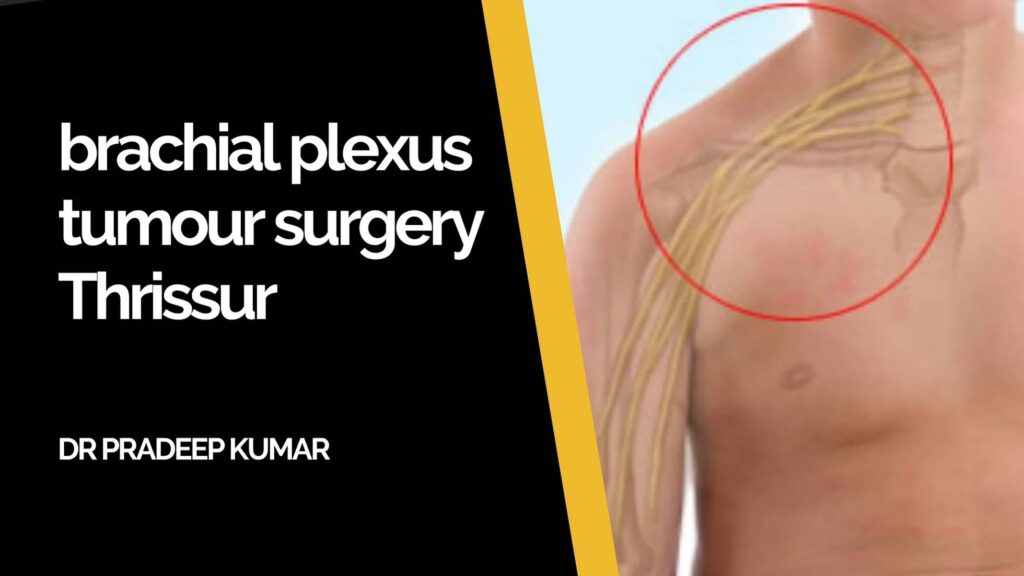
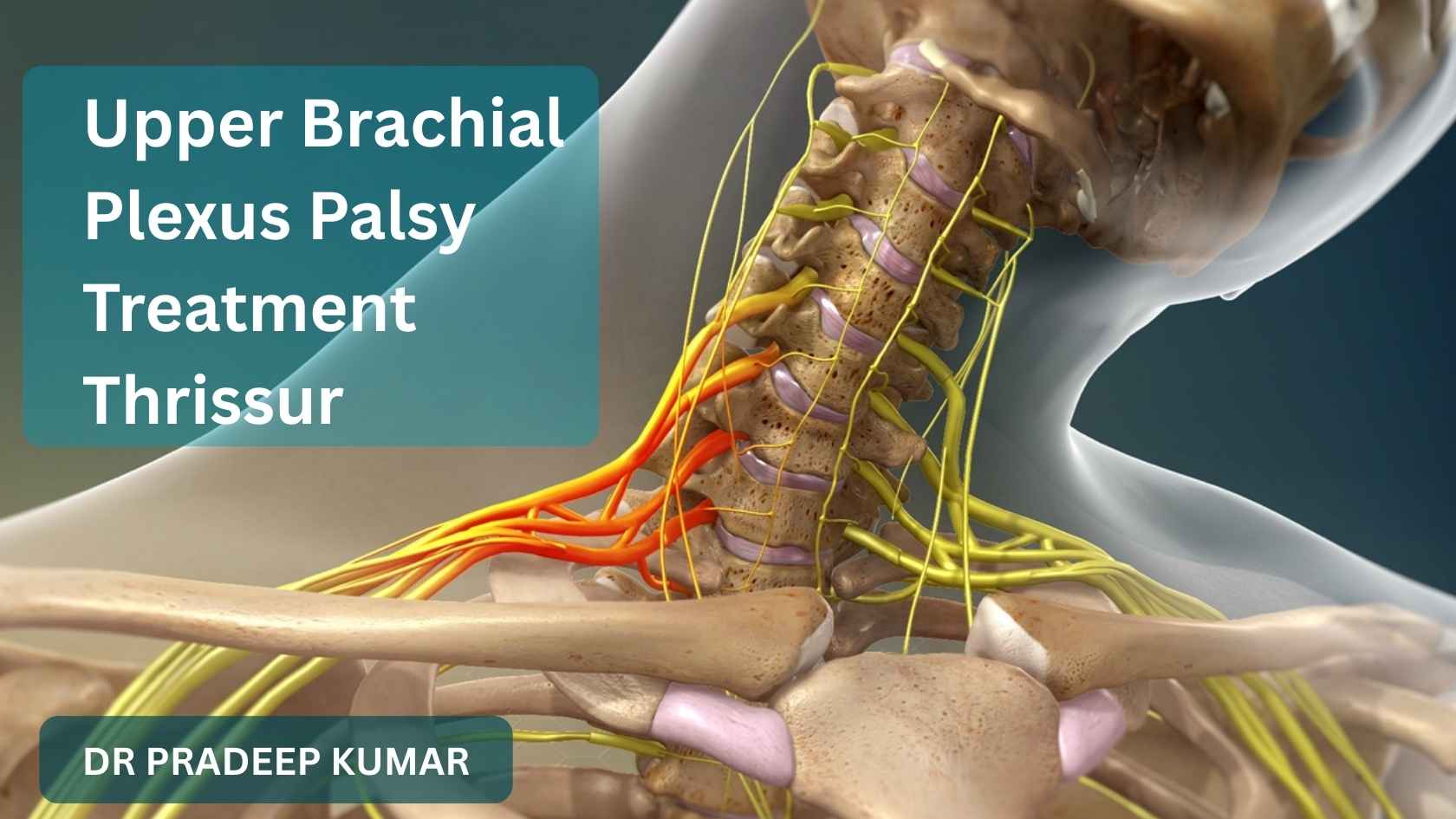
The brachial plexus is a network of nerves that originates from the cervical spinal cord and extends through the neck, shoulder, and into the arm. It is responsible for transmitting signals from the brain to the muscles of the upper limb and relaying sensory information back to the brain. Any injury to this nerve network can disrupt normal movement and sensation.
The brachial plexus is divided into upper, middle, and lower components. When the upper part of this network is affected, the condition is known as upper brachial plexus palsy. This typically involves the C5 and C6 nerve roots and primarily affects shoulder and elbow function.
What Is Upper Brachial Plexus Palsy?
Upper brachial plexus palsy occurs when the upper nerve roots of the brachial plexus are damaged due to stretching, tearing, or compression. This type of injury is commonly associated with conditions such as Erb’s palsy but can also occur in adults following trauma.
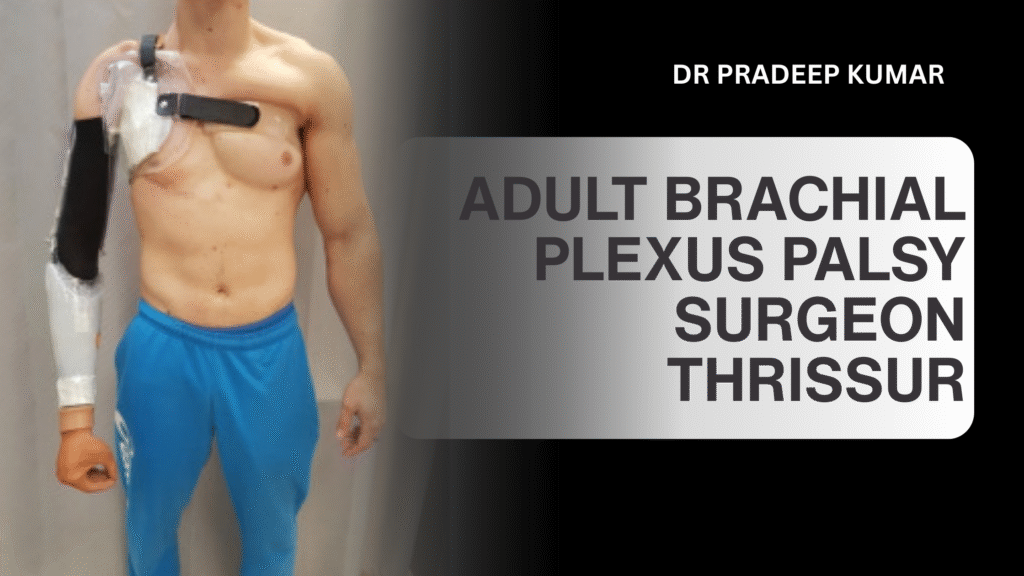
Patients with upper brachial plexus palsy often experience difficulty lifting the arm, rotating the shoulder, or bending the elbow. Hand and finger function may remain relatively preserved, but the loss of proximal arm strength can severely limit overall upper limb usability.
Causes of Upper Brachial Plexus Palsy
Traumatic Causes in Adults
In adults, upper brachial plexus palsy most commonly results from high-impact trauma, including:
Road traffic accidents, especially motorcycle accidents
Falls from height
Sports-related injuries
Industrial or workplace accidents
These events often cause excessive traction or stretching of the neck and shoulder, leading to nerve damage.
Birth-Related Causes
Upper brachial plexus palsy can also occur in newborns due to difficult deliveries where excessive traction is applied to the baby’s neck and shoulder. While some infants recover spontaneously, others may require surgical intervention if recovery does not occur within a specific timeframe.
Symptoms of Upper Brachial Plexus Palsy
The symptoms of upper brachial plexus palsy vary depending on the severity of nerve injury, but commonly include:
Weakness or paralysis of shoulder muscles
Inability to lift or rotate the arm
Difficulty bending the elbow
Reduced shoulder stability
Muscle wasting around the shoulder over time
Pain or discomfort in some cases
Early recognition of these symptoms is essential, as timely intervention plays a critical role in successful recovery.
Why Upper Brachial Plexus Palsy Requires Specialized Treatment
Upper brachial plexus palsy is not a routine nerve injury. It involves multiple nerve roots and affects complex movements that require precise coordination. Effective treatment demands a deep understanding of nerve anatomy, biomechanics, and functional reconstruction.
Specialized treatment focuses not only on repairing damaged nerves but also on restoring meaningful shoulder and elbow function that allows patients to regain independence. This level of care can only be achieved through advanced nerve surgery and structured rehabilitation programs.
Why Thrissur Is a Preferred Destination for Upper Brachial Plexus Palsy Treatment
Over the years, Thrissur has emerged as a major center for advanced peripheral nerve and reconstructive surgery. Patients seeking upper brachial plexus palsy treatment in Thrissur benefit from a combination of expertise, infrastructure, and patient-centered care.
Advanced Microsurgical Facilities
Thrissur is home to specialized surgical units equipped with operating microscopes, nerve stimulators, and precision instruments required for delicate nerve reconstruction procedures.
Comprehensive Diagnostic Capabilities
Accurate diagnosis is the foundation of effective treatment. Specialized centers in Thrissur offer advanced investigations such as:
MRI scans to visualize nerve anatomy
Nerve conduction studies (NCS)
Electromyography (EMG)
Ultrasound imaging of peripheral nerves
These diagnostic tools help determine the extent of nerve damage and guide treatment planning.
Multidisciplinary Treatment Approach
Upper brachial plexus palsy treatment requires collaboration among reconstructive surgeons, neurologists, physiotherapists, occupational therapists, and pain management specialists. Thrissur’s integrated care model ensures continuity of treatment from diagnosis through recovery.
Evaluation and Diagnosis of Upper Brachial Plexus Palsy
Accurate evaluation is crucial for selecting the appropriate treatment strategy. The diagnostic process typically includes:
Clinical Examination
A detailed physical examination assesses muscle strength, joint mobility, reflexes, and sensory function. This helps identify which muscles and nerve roots are affected.
Electrodiagnostic Studies
NCS and EMG studies evaluate nerve conduction and muscle activity, providing insight into the severity and chronicity of the injury.
Imaging Studies
MRI and other imaging modalities help visualize nerve continuity, scarring, or root avulsion, which is essential for surgical planning.
Non-Surgical Management Options
In selected cases, especially when nerve injury is mild, non-surgical treatment may be considered initially.
Physiotherapy
Physiotherapy plays a vital role in maintaining joint mobility, preventing stiffness, and preserving muscle health while waiting for nerve recovery.
Pain Management
Neuropathic pain may be managed with medications, physical modalities, or nerve-specific pain management techniques.
However, moderate to severe cases often require surgical intervention to achieve meaningful functional improvement.
Surgical Treatment Options for Upper Brachial Plexus Palsy
Specialized surgical techniques form the cornerstone of advanced upper brachial plexus palsy treatment in Thrissur. The choice of procedure depends on the severity of injury, timing, and functional goals.
Nerve Repair
When nerve ends are viable and can be reconnected directly, microsurgical nerve repair is performed to restore continuity.
Nerve Grafting
If there is a gap between nerve ends, nerve grafts are used to bridge the defect and allow nerve regeneration.
Nerve Transfer
Nerve transfer is a highly effective technique for upper brachial plexus palsy. In this procedure, a healthy donor nerve is redirected to restore function to a paralyzed muscle group, such as those responsible for elbow flexion or shoulder movement.
Nerve Decompression
In cases where nerves are compressed by scar tissue or anatomical structures, decompression surgery relieves pressure and improves nerve function.
Tendon Transfer
When nerve recovery is incomplete, tendon transfer procedures help restore specific movements by utilizing functioning muscles.
Muscle Transfer
In chronic cases with significant muscle atrophy, muscle transfer surgery may be performed to regain essential upper limb movements.
Rehabilitation After Upper Brachial Plexus Surgery
Rehabilitation is a critical component of recovery and plays a decisive role in determining long-term outcomes.
Physiotherapy
Post-operative physiotherapy focuses on restoring joint mobility, strengthening reinnervated muscles, and retraining coordinated movements.
Occupational Therapy
Occupational therapy helps patients adapt to daily activities, improve functional independence, and regain confidence.
Long-Term Follow-Up
Nerve regeneration is a slow process, often taking months or years. Regular follow-up ensures progress is monitored and rehabilitation programs are adjusted as needed.
Importance of Early Treatment
Timing is one of the most important factors influencing recovery. Delayed treatment can lead to irreversible muscle wasting and reduced chances of functional restoration.
Consulting a specialized center for upper brachial plexus palsy treatment in Thrissur within the first few months after injury significantly improves the likelihood of successful outcomes.
Living With Upper Brachial Plexus Palsy
Upper brachial plexus palsy can be physically and emotionally challenging. Recovery requires patience, commitment, and consistent professional support. With modern surgical techniques and dedicated rehabilitation, many patients experience significant improvement in shoulder and arm function.
Holistic care focuses not only on physical recovery but also on emotional well-being, helping patients regain confidence and independence.
Conclusion
Upper brachial plexus palsy is a complex condition that demands specialized expertise, advanced microsurgical intervention, and long-term rehabilitation. Thrissur has established itself as a trusted destination for comprehensive nerve injury care, offering patients access to modern diagnostic tools, advanced surgical options, and multidisciplinary rehabilitation support.
For individuals affected by this condition, seeking upper brachial plexus palsy treatment in Thrissur provides a pathway toward restoring movement, improving function, and enhancing overall quality of life.
Upper brachial plexus palsy is a nerve injury affecting the upper part of the brachial plexus, leading to weakness or paralysis of the shoulder and elbow muscles.
It is commonly caused by trauma such as road accidents, falls, sports injuries, or birth-related nerve traction during difficult deliveries.
Early evaluation is critical. Consulting a specialist within the first 3–6 months after injury significantly improves recovery outcomes.
Diagnosis may include clinical examination, MRI scans, nerve conduction studies (NCS), and electromyography (EMG).
Mild cases may improve with physiotherapy, but moderate to severe injuries often require surgical intervention for meaningful recovery.
Treatment may include nerve repair, nerve grafting, nerve transfer, nerve decompression, tendon transfer, and muscle transfer procedures.
Recovery is gradual and may take several months to years, as nerve regeneration occurs slowly and requires consistent rehabilitation.
Physiotherapy maintains joint mobility, strengthens muscles, prevents stiffness, and supports functional recovery after nerve surgery.
Yes. With timely diagnosis, advanced microsurgical techniques, and proper rehabilitation, significant functional improvement is possible.
Thrissur offers specialized nerve surgery centers, advanced diagnostics, microsurgical expertise, and comprehensive rehabilitation support.